
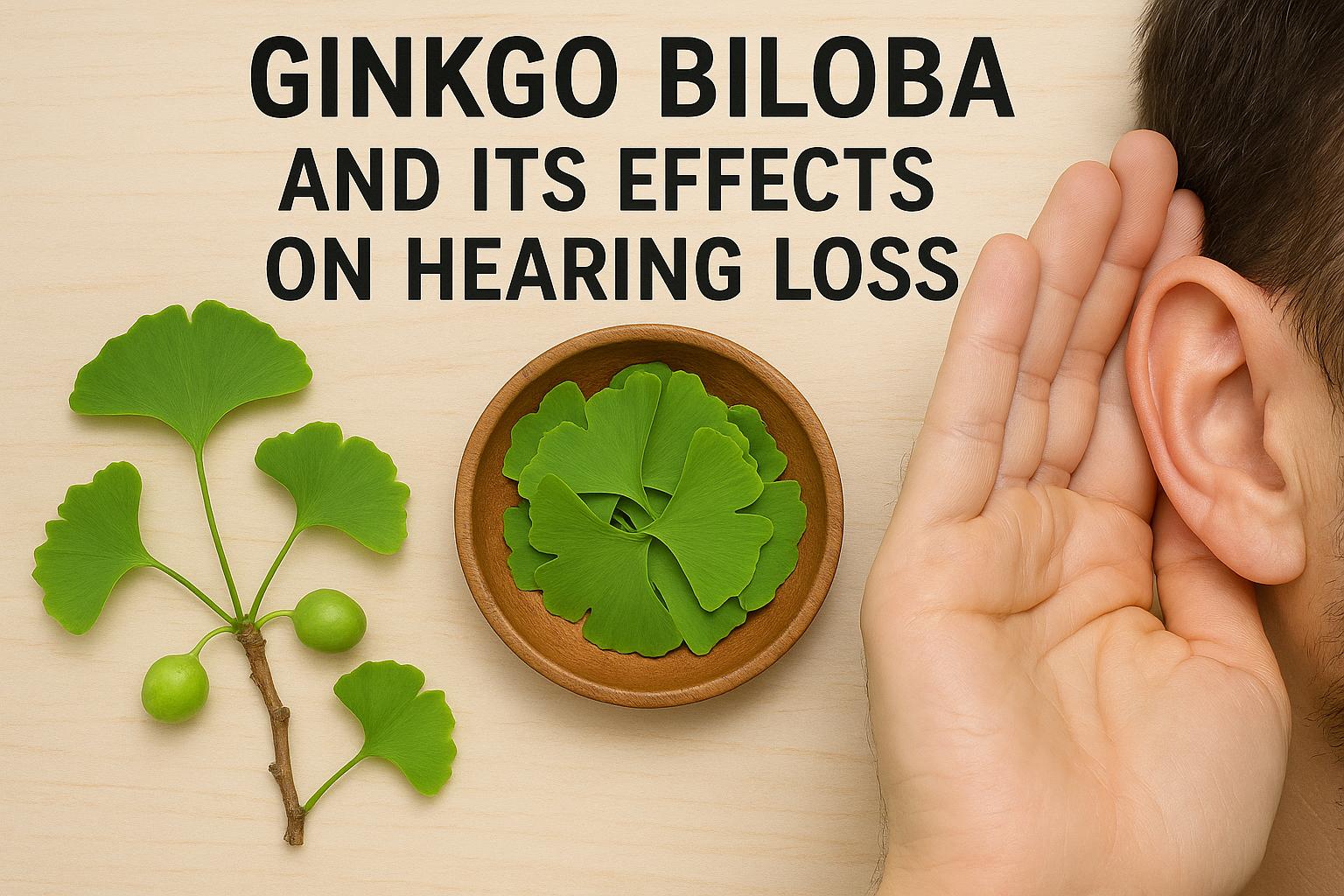
Introduction to Ginkgo Biloba
Ginkgo biloba, often referred to simply as ginkgo, is a plant species with a storied history and distinctive characteristics. Its origins can be traced back to China, where it has been revered for its unique properties for centuries. Renowned as one of the earliest recorded tree species, ginkgo biloba has been around for over 200 million years, surviving numerous environmental shifts that saw many other species go extinct. The tree is easily recognizable by its unusual fan-shaped leaves and is often referred to as a “living fossil.”
Ginkgo biloba’s longevity can be attributed not only to its strong genetic composition but also to the numerous uses humans have found for it over the ages. The leaves of the ginkgo tree have been traditionally harnessed for medicinal purposes in various cultures. These leaves are processed to extract compounds thought to assist with several bodily functions, most notably cognitive enhancement and improved blood circulation. In modern therapeutic practices, it continues to capture interest as both a supplement and a research topic due to these potential health benefits.
Potential Benefits of Ginkgo Biloba
The potential health advantages of ginkgo biloba primarily encompass cognitive enhancement and circulatory improvements. The active compounds in ginkgo biloba, particularly flavonoids and terpenoids, are believed to possess significant antioxidant properties. These antioxidants are thought to enhance blood flow throughout the body, theoretically contributing to improved vascular health.
These properties suggest that ginkgo biloba could play a role in protecting cells from damage caused by free radicals, an action that might yield multiple health benefits. This has positioned the plant as a promising candidate in preventive health strategies, with a primary focus on supporting brain health and cognitive function.
Ginkgo Biloba and Hearing Loss
Recently, there has been an increasing focus and burgeoning interest in the use of ginkgo biloba as a possible intervention for hearing loss. Hearing loss is a multifactorial condition often associated with aging, though it can also result from exposure to loud environments or be secondary to other medical conditions.
The underlying mechanisms by which ginkgo biloba could aid in hearing preservation or improvement tie back to its ability to enhance circulatory health. If ginkgo biloba truly enhances blood flow and reduces oxidative stress, it could theoretically support the health of delicate structures in the ear, possibly aiding in the prevention or reduction of hearing loss.
Scientific Research on Ginkgo Biloba and Hearing Loss
The scientific community has conducted several studies to explore ginkgo biloba’s effectiveness in combating hearing loss. Some research findings suggest that ginkgo biloba might indeed help in improving auditory conditions such as tinnitus—a condition characterized by persistent ringing in the ears—by potentially enhancing ear microcirculation.
However, the broader research landscape is more nuanced. Some studies provide conflicting evidence about the effectiveness of ginkgo in treating significant hearing loss. Discrepancies in findings can often be attributed to variations in the methodologies employed across studies, as well as differences in the preparation and quality of ginkgo supplements.
Some trials suggest noticeable improvements, while others indicate that the supplement has no more than a placebo effect. This divergence highlights the complexity of translating traditional medicine findings into consistently effective treatment modalities. Therefore, while the initial results are promising, more comprehensive and controlled research is needed to definitively establish the role of ginkgo biloba in auditory health.
Safety and Considerations
Ginkgo biloba is generally considered safe for most people when consumed in appropriate dosages. However, as with any supplement, there are potential side effects to consider. Some common mild side effects include headaches and gastrointestinal disturbances.
Furthermore, caution is advised for individuals who are on specific medication regimens, particularly those taking blood thinners. This is due to potential interactions between ginkgo biloba and these medications, which could result in adverse effects. Thus, it is advisable for individuals considering ginkgo as part of their supplement intake to consult with a healthcare provider beforehand. This consultation is essential to determine its safety based on individual health needs and existing medications.
For those interested in delving deeper into the scientific evidence surrounding ginkgo biloba, platforms like PubMed provide valuable, peer-reviewed studies that can offer a more detailed understanding of current research findings.
In conclusion, while ginkgo biloba holds potential for addressing hearing-related issues due to its suggested circulatory and antioxidant benefits, more robust scientific research is necessary to conclusively establish its efficacy. The intriguing possibility that a plant with such ancient origins could address modern health concerns continues to stimulate both public interest and scientific inquiry.