
Introduction to Ginkgo Biloba
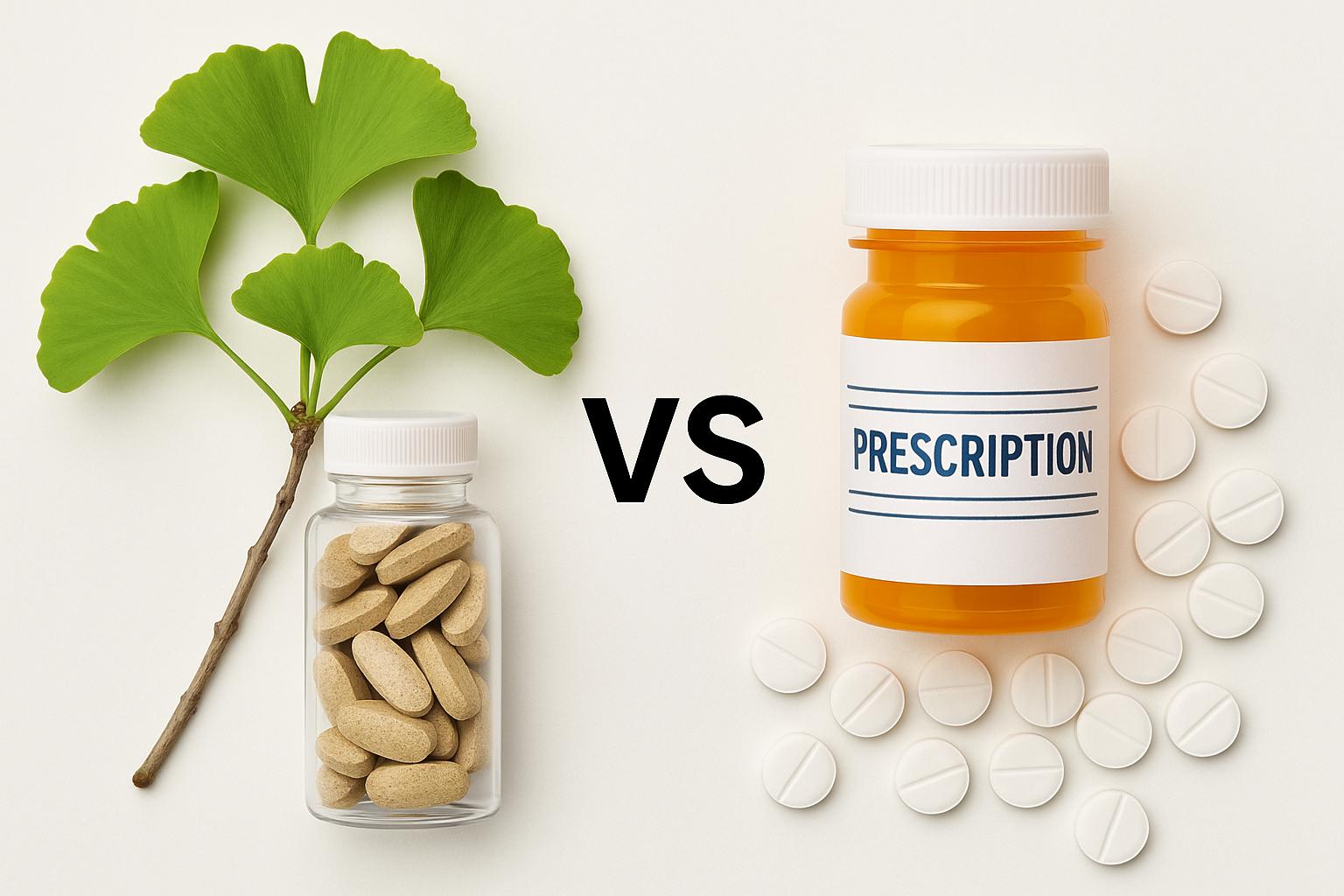
Ginkgo biloba, a natural extract derived from the leaves of the Ginkgo tree, holds a significant place in traditional medicine, having been used for thousands of years. This ancient remedy is primarily renowned today for its purported effects on cognitive enhancement, circulatory improvement, and neuroprotective benefits. However, these claims are subject to rigorous scrutiny, especially when Ginkgo biloba’s efficacy is compared to that of conventional prescription medications. Understanding its nuanced position in health care requires considering both empirical evidence and traditional wisdom.
Comparative Effectiveness
Assessing the effectiveness of Ginkgo biloba involves comparing its benefits to those offered by prescription drugs across different health conditions. Various studies have focused on understanding its impact, particularly on cognitive disorders, such as dementia and Alzheimer’s disease. It is within this framework that Ginkgo biloba’s role in modern medicine is often debated.
Cognitive Function and Dementia
The potential cognitive benefits of Ginkgo biloba have been extensively studied, yet results remain inconsistent. Notably, a publication in the Journal of the American Medical Association highlighted the lack of significant differences between Ginkgo biloba and a placebo in preventing cognitive decline among elderly individuals. This large-scale study exemplifies the challenges of substantiating claims about Ginkgo’s efficacy in cognitive health. Conversely, smaller-scale investigations provide glimpses of potential cognitive improvements. However, these studies often lack the robustness required to challenge the effectiveness of well-established treatments, such as donepezil and memantine, which are standard therapies in the management of Alzheimer’s disease. These prescription drugs are known for their ability to slow cognitive deterioration, setting a high benchmark for natural supplements like Ginkgo biloba.
Circulatory Benefits
Ginkgo biloba is frequently promoted for its ability to improve blood circulation. Its potential circulatory benefits are most often associated with conditions like intermittent claudication and Raynaud’s disease, both of which are characterized by impaired blood flow. Some clinical studies suggest that Ginkgo biloba can alleviate symptoms associated with these conditions by enhancing microcirculation. Yet, compared to prescription medications such as cilostazol or nifedipine, which are established in treating circulatory conditions, Ginkgo biloba often falls short. These drugs have proven efficacy in enhancing vascular function and reducing symptoms, highlighting a critical area where herbal remedies must be matched against conventional pharmaceuticals.
Safety and Side Effects
One of the primary considerations when integrating any new treatment, including Ginkgo biloba, into a health regimen is understanding its safety profile. Generally described as well-tolerated, Ginkgo biloba can still lead to several adverse effects. Commonly reported side effects include gastrointestinal disturbances, headaches, and allergic skin reactions. More pressing, however, is the increased risk of bleeding, especially in individuals on anticoagulant therapy. Prescription medications, by contrast, are typically accompanied by extensively documented profiles outlining possible side effects and drug interactions, thus offering patients and healthcare providers more predictability and safety assurance.
Conclusion
In conclusion, the utility of Ginkgo biloba as compared to prescription medications hinges significantly on the specific health condition being addressed and varies from one individual to another. While Ginkgo biloba may confer some advantages, notably mild symptomatic relief for certain conditions, it does not consistently surpass the effectiveness of conventional prescription alternatives. Consequently, individuals considering the use of Ginkgo biloba should do so with caution and in consultation with healthcare professionals. This approach ensures that treatment plans are evidence-based and tailored to individual health needs, aligning with the overarching goal of optimal health management.
For more detailed information on Ginkgo biloba and its applications, visit this site for further reading.