
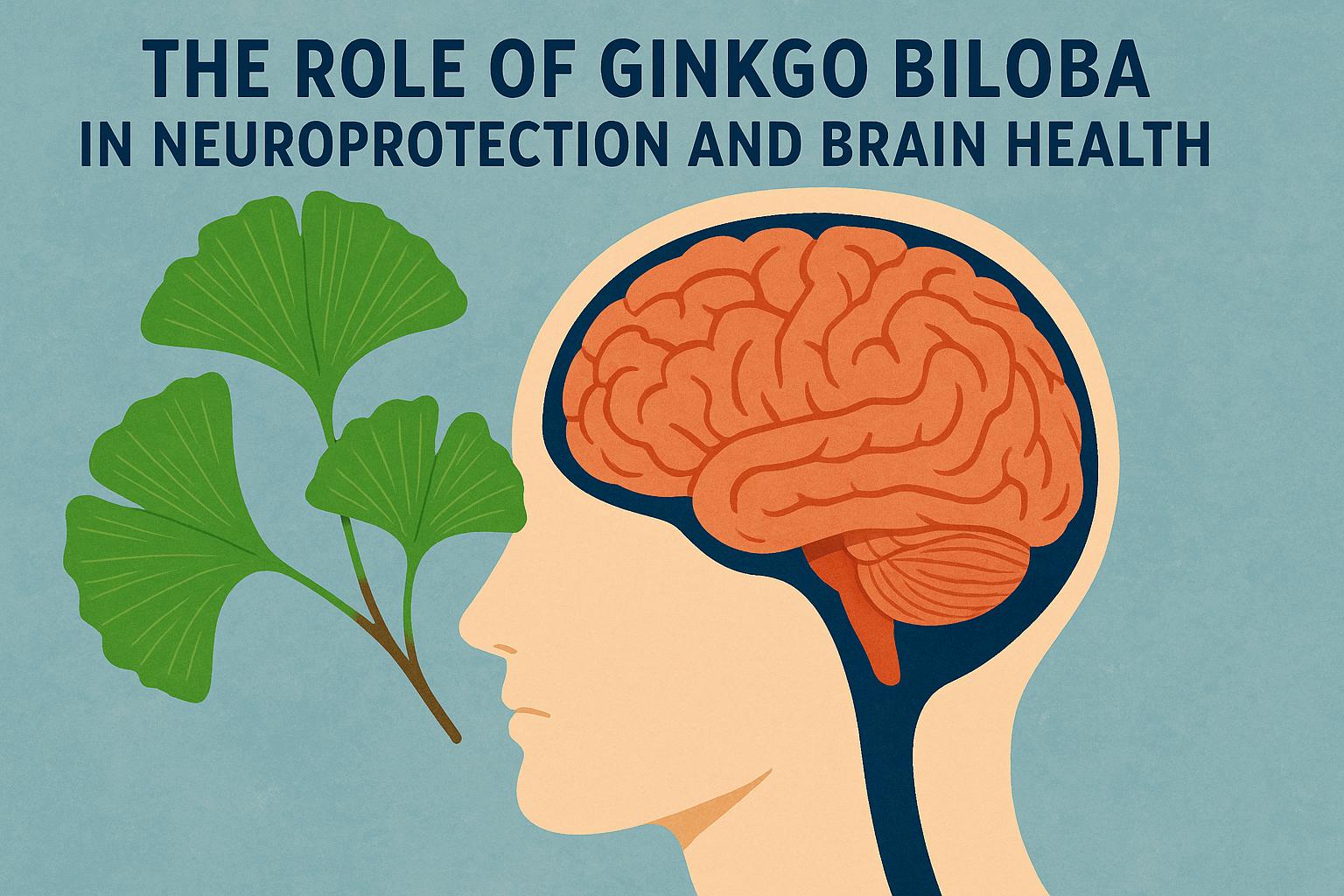
The Role of Ginkgo biloba in Neuroprotection and Brain Health
Ginkgo biloba, commonly referred to simply as ginkgo, is a species of tree native to China that has captured the interest of researchers and the general public alike for its potential benefits in promoting brain health and providing neuroprotection. The ginkgo tree is known for its longevity, with a history that stretches back millions of years, making it one of the oldest living tree species on Earth. Its leaves have been used throughout history in various forms of traditional medicine aimed at treating a range of health conditions.
Active Compounds in Ginkgo biloba
The two primary components believed to be responsible for the potentially beneficial effects of Ginkgo biloba are flavonoids and terpenoids. Flavonoids are well-regarded for their antioxidant properties, which can protect cells from oxidative stress—a critical factor in the development of numerous neurological disorders. These compounds have the ability to neutralize free radicals, thus preventing cellular damage that could contribute to diseases such as Alzheimer’s. On the other hand, terpenoids, including ginkgolides and bilobalide, are compounds thought to promote blood flow and possess anti-inflammatory properties. These benefits are essential in supporting cognitive function as they ensure that brain cells receive adequate nutrition and oxygen.
Cognitive Function and Memory
One of the most prevalent areas of interest surrounding Ginkgo biloba is its effects on memory enhancement and overall cognitive function. A number of studies have been conducted to determine how effective ginkgo is in boosting memory, attention, and cognitive speed. Some research findings suggest positive outcomes, indicating improvements in both healthy individuals and those experiencing cognitive impairments. The improvements in cognitive function are often attributed to Ginkgo biloba’s role in increasing cerebral blood flow, alongside its potent antioxidant effects. This better circulation of blood means that the brain is more efficiently supplied with oxygen and nutrients, which are essential for optimal functioning.
Neuroprotective Effects
The potential neuroprotective effects of Ginkgo biloba are another key area of interest. The tree’s antioxidant properties can help reduce oxidative stress—a significant contributor to neurodegenerative diseases such as Alzheimer’s and Parkinson’s. By mitigating oxidative damage, Ginkgo biloba appears to protect neurons from the deterioration that typifies such conditions. Furthermore, the ability of Ginkgo biloba to enhance blood circulation and decrease inflammation also plays a critical role in protecting brain cells from harmful damage. These combined effects contribute to a fortified neuronal structure, potentially slowing the progression of neurodegenerative diseases.
Considerations and Usage
Despite the availability of Ginkgo biloba as a dietary supplement, there are several considerations to keep in mind regarding its usage. While the supplement is generally regarded as safe, it is crucial to understand that some individuals may experience side effects. These can include headaches, gastrointestinal discomfort, or allergic reactions, which can vary in intensity from person to person. Consulting with a healthcare provider before beginning any new supplement regimen is advisable, particularly for individuals who are currently taking medication. This is important because potential interactions between Ginkgo biloba and other medications could lead to unintended health issues.
In summary, Ginkgo biloba presents itself as a promising natural supplement that may support brain health and offer neuroprotective benefits. However, while the research conducted thus far is encouraging, further investigation is necessary to fully understand the scope of its benefits and the comprehensive mechanisms through which it operates. Evidence supporting its efficacy remains mixed, and as such, individuals interested in its potential benefits should proceed with informed caution. For those seeking more information on herbal supplements and neuroprotection, reputable resources like the National Center for Complementary and Integrative Health or HerbMedPro can provide valuable insights.