
Introduction
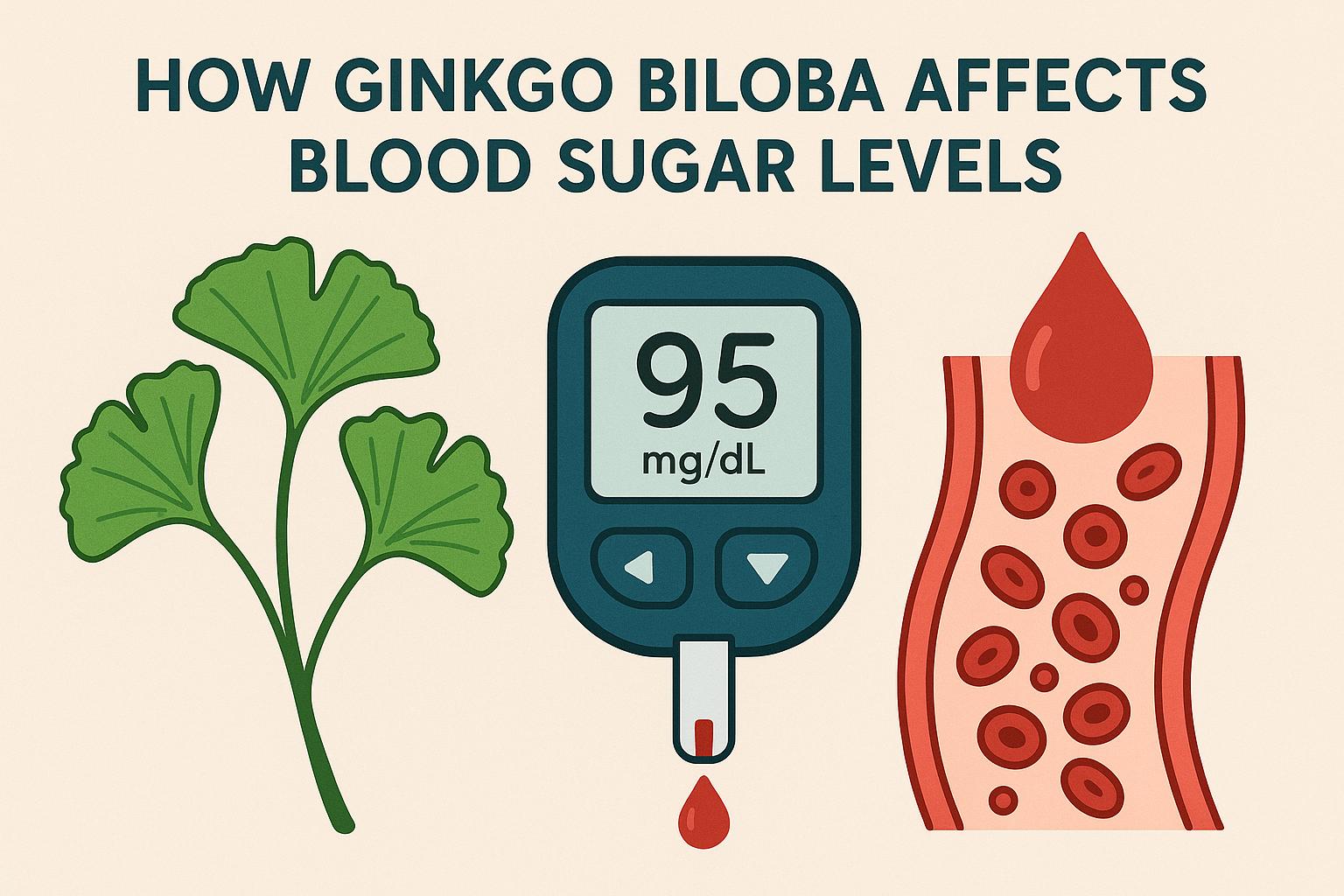
The ongoing exploration of Ginkgo biloba and its effects on blood sugar levels is part of a broader investigation into how herbal supplements can impact human health. Ginkgo biloba is renowned for its possible cognitive benefits and ability to enhance circulation, but its influence on glucose metabolism adds another layer of interest, particularly for individuals with diabetes or prediabetes. Understanding these effects requires thorough examination due to its widespread use and the implications for those managing chronic health conditions.
What is Ginkgo Biloba?
The Ginkgo biloba tree, with origins tracing back millions of years, is one of the oldest living tree species and is native mostly to China. Its leaves are processed to create extracts that are popular in herbal supplements. Containing powerful compounds known as flavonoids and terpenoids, these extracts are acclaimed for their potential antioxidant capabilities. Many individuals consume such supplements to aid memory, improve cognitive processing, and alleviate symptoms associated with anxiety. The rich history and physiological effects of this tree make Ginkgo biloba a fascinating subject for scientific study.
The Potential Impact on Blood Sugar Levels
Studies examining Ginkgo biloba’s influence on blood sugar levels yield varying results. Some research suggests that Ginkgo biloba may have the capability to enhance glucose metabolism, although the precise biological mechanisms remain largely speculative. Researchers propose that its antioxidant qualities could mitigate oxidative stress, a known contributor to insulin resistance, thus influencing blood glucose dynamics.
Positive Effects
The results of various clinical trials indicate promising outcomes for certain demographics. In these instances, individuals who supplemented with Ginkgo biloba extracts noted an improvement in glycemic control. This could point to the supplement’s potential in modulating how the body handles insulin sensitivity and the uptake of glucose by cells. It’s critical to note, however, that these effects can fluctuate, influenced by factors such as dosage, duration of use, and the unique health profile of the individual.
Potential Risks
Despite its potential therapeutic benefits, caution is warranted due to certain risks associated with Ginkgo biloba use. There is evidence to suggest that when Ginkgo biloba is taken alongside conventional diabetes medications, it may enhance the hypoglycemic effect, leading to dangerously low blood sugar levels. Moreover, for those not affected by diabetes, the impact on blood sugar levels might be negligible, suggesting that the supplement’s effects are not universally applicable and highly contingent upon existing metabolic conditions.
Recommendations for Use
Before considering the addition of Ginkgo biloba to any dietary regime, it is crucial to seek advice from a healthcare provider, particularly for individuals with existing health ailments such as diabetes. A medical professional can provide personalized guidance based on the current state of health and ongoing medication use to ensure no adverse interactions occur between Ginkgo biloba and other treatments.
Monitoring and Adjustments
Patients who do receive a green light from their healthcare provider to use Ginkgo biloba are urged to engage in regular monitoring of their blood sugar levels. Through careful observation, it becomes possible to discern any tangible effects of the supplement. This vigilance permits timely adjustments to either the dosage of Ginkgo biloba or other concurrent medications, based upon the observed changes.
Conclusion
Ginkgo biloba, with its promising antioxidant attributes, offers potential advantages for managing blood glucose levels; however, incorporating it into one’s health regimen demands prudent consideration and consultation with healthcare professionals. The need for further, more comprehensive research remains, as future studies aim to establish a clearer understanding of Ginkgo biloba’s efficacy and role in blood sugar management. Until more definitive conclusions are drawn, the best course of action involves staying informed, maintaining ongoing dialogue with health providers, and being cautious when integrating such herbal supplements into a broader health management strategy to safeguard against any unforeseen complications.