
The Historical Context of Ginkgo Biloba in Traditional Chinese Medicine
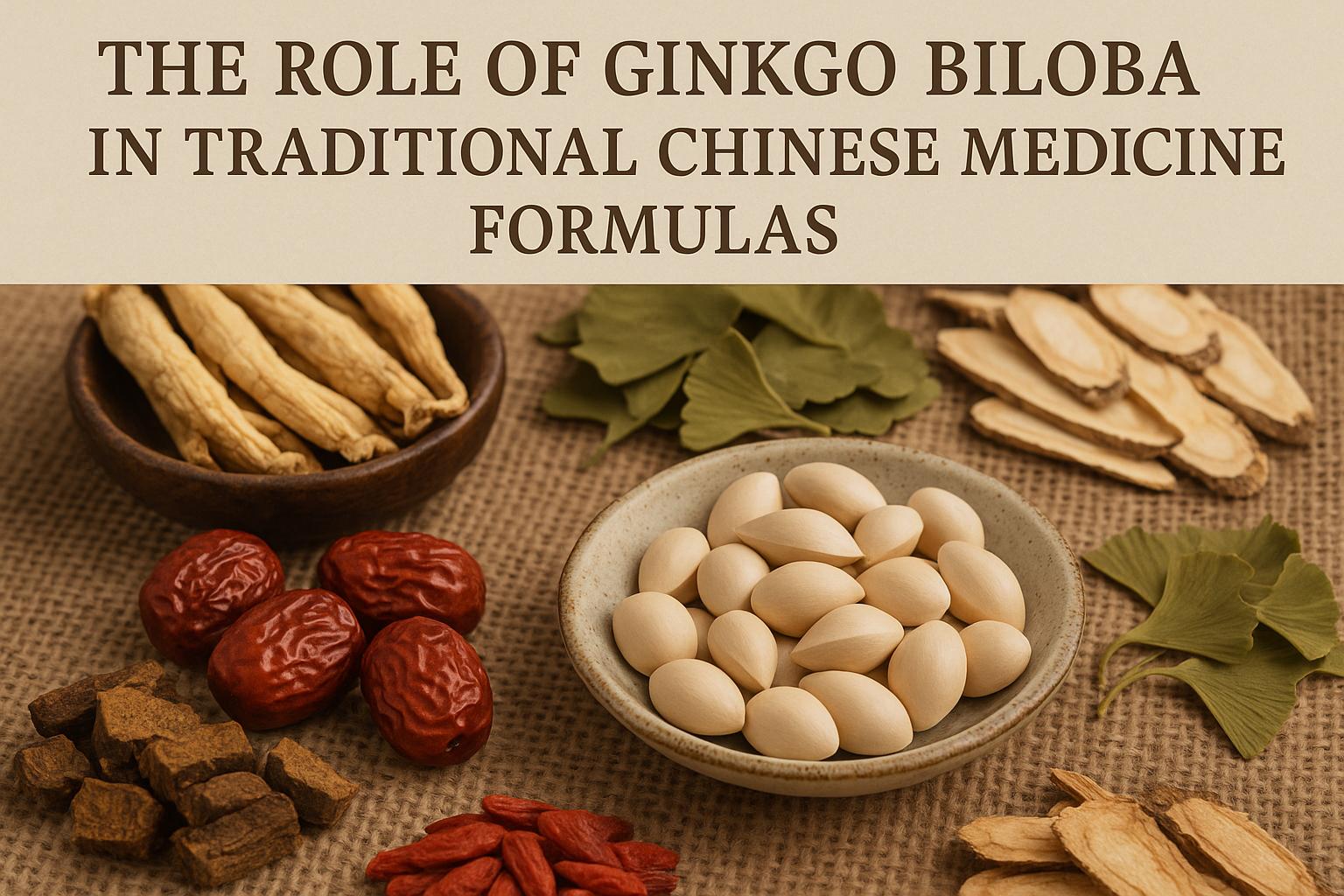
Ginkgo biloba, an enduring and remarkable plant, is often called the “living fossil,” a term that reflects its ancient lineage and steadfast presence throughout civilization’s history. Integral to Traditional Chinese Medicine (TCM) for millennia, it has maintained a consistent role in medicinal formulations designed to promote cognitive function and enhance overall health. The distinctive fan-shaped leaves of the Ginkgo biloba tree are not just a botanical curiosity but symbolize its venerable status in herbal medicine practices. Within TCM, this plant holds significance due to its reputed ability to enhance “qi,” the vital life force or energy believed to pervade all living things.
Historical Significance of Ginkgo Biloba
The use of Ginkgo biloba in Traditional Chinese Medicine spans several centuries, dating back to early historical records where it was continuously employed for its therapeutic benefits. The culture of using Ginkgo within TCM is steeped in the meticulous understanding of botanical healing, accumulated and refined across generations. This practice underscores the richness of ancient Chinese medicinal knowledge, wherein healers would turn to the Ginkgo, appreciating its versatility and capacity to treat various health concerns. Ginkgo’s enduring role showcases Chinese herbalism’s depth and its enduring relevance over time.
Traditional Applications of Ginkgo biloba
Ginkgo biloba’s esteemed position in TCM is predominantly tied to its application in treating conditions often associated with blood circulation and respiratory health. This includes addressing respiratory ailments like asthma and bronchitis, which have historically benefited from Ginkgo’s therapeutic properties. In ancient China, practitioners skillfully administered Ginkgo formulations for their capacity to bolster airway functions and mitigate the buildup of phlegm, thus serving as indispensable remedies for respiratory challenges. The effectiveness and continued use of Ginkgo for respiratory health highlight its intrinsic value within Traditional Chinese Medicine.
The Philosophical Underpinnings – Yin and Yang
Understanding the application of Ginkgo biloba within TCM necessitates a look into a central philosophical construct: the balance of yin and yang. These are seen as opposing yet complementary forces vital to attaining health and harmony in the human body. Ginkgo’s reputed capability to modulate the “yin” particularly supports the function of lungs and kidneys, which aligns with the goal of achieving equilibrium within body systems. This practice emphasizes TCM’s holistic approach, wherein maintaining a balance between different bodily elements is pivotal for ensuring optimal health and preventing disease.
Synergistic Use in Herbal Formulas
In the realm of TCM, the adage that the whole is greater than the sum of its parts is especially relevant to the use of Ginkgo biloba. This herb is seldom employed in isolation. Its efficacy is enhanced through careful combination with other complementary herbs—a practice that leverages the principle of synergy. For example, pairing Ginkgo with ginseng and astragalus not only amplifies its cognitive and cardiovascular benefits but also mitigates potential adverse effects, demonstrating the intricate expertise that TCM practitioners employ. These formulations are comprehensive, designed to address a spectrum of health issues simultaneously by harmonizing the unique properties of each constituent herb.
Exploring Modern Research and Ginkgo biloba
While Traditional Chinese Medicine stands on the foundation of centuries-old knowledge and practices, the contemporary exploration of Ginkgo biloba involves a more empirical and analytical approach. Modern scientific research has turned its gaze towards understanding the specific benefits of Ginkgo, validating many of its traditional applications through clinical studies and trials. The focus has been on its potential to enhance cognitive function and improve circulatory health, findings that robustly echo the historical uses documented within TCM. Despite this growing body of evidence, ongoing research remains crucial to fully elucidate the exact biological mechanisms by which Ginkgo exerts its effects.
Diverse Applications and Future Prospects
The exploration of Ginkgo biloba is far from complete. The ongoing scientific interest coupled with its historical legacy suggests that its range of applications could expand, offering insights into illness prevention and health optimization in novel contexts. As researchers delve deeper, the expansion of its uses in managing cognitive disorders, age-related conditions, and cardiovascular diseases may become increasingly substantiated. This progression signifies not only the preservation but the evolution of its role in both traditional and contemporary health practices.
Implications for Integrative Medicine
The journey of Ginkgo biloba from a time-honored herbal medicine to a subject of modern scientific inquiry reflects broader trends in healthcare that favor an integrative approach, blending traditional wisdom with contemporary knowledge. As awareness grows about the importance of holistic treatment modalities, Ginkgo biloba stands as a prime candidate for inclusion in integrative medicine practices. Such practices strive to combine the best of both worlds—merging evidence-based modern therapies with ancient, nature-derived remedies to offer more comprehensive health solutions.
In conclusion, whether appreciated within the context of its historical usage in Traditional Chinese Medicine or analyzed through the lens of modern scientific methodologies, Ginkgo biloba is undeniably a significant component of our therapeutic arsenal. Its continued relevance and potential for future applications solidify its role not only as a living fossil but also as a testament to the enduring wisdom that nature provides. From ancient roots to modern resurgence, Ginkgo biloba remains a beacon of healing across ages, serving as a bridge between past traditions and future innovations in the field of medicine.