
Introduction
Ginkgo biloba, colloquially known as ginkgo, holds a distinctive place among tree species due to its dual purpose in medicine and cuisine. Indigenous to China, this tree’s leaves and seeds have long been revered for their therapeutic properties, especially their anti-inflammatory and antioxidant benefits. To extract the full range of advantages these natural components offer, it is imperative to master the art of their storage and preservation.
Harvesting Ginkgo Leaves and Seeds
The timing of the harvest is crucial for extracting maximum benefits from the Ginkgo biloba leaves and seeds. The leaves, rich in bioactive substances, should ideally be gathered from early to mid-autumn. This period ensures they are at their most potent state. Conversely, seeds, often likened to nuts in their appearance, should be collected after they naturally drop from the tree. This usually occurs in the waning months of autumn, marking the optimal time for gathering.
Drying Ginkgo Leaves
Drying the freshly harvested ginkgo leaves is essential to safeguard their beneficial properties. The leaves should be laid in a single layer on a pristine and dry surface, well away from the bleaching effects of direct sunlight. It is important to guarantee that air circulates freely around the leaves, promoting uniform drying. Typically, this drying phase can span one to two weeks. For those seeking a swifter process, employing a food dehydrator on a low heat setting can significantly cut down on drying time, ensuring the leaves remain unscathed and potent.
Storing Dried Ginkgo Leaves
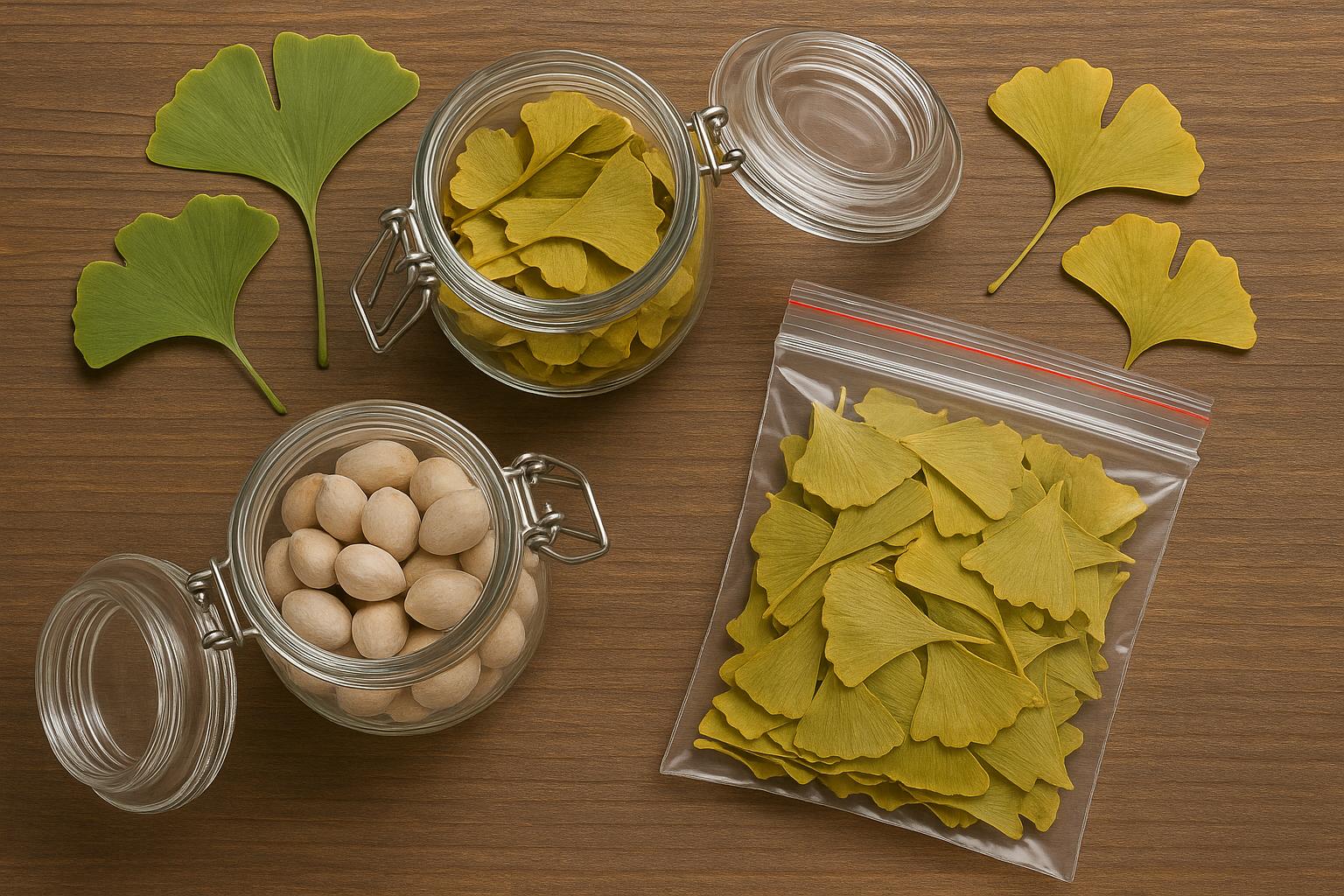
Post-drying, the leaves require careful storage to maintain potency. It is advisable to use airtight containers, with glass jars topped with secure lids being ideal. These should be stored in an environment that is cool, dark, and moisture-free, such as a pantry or cupboard. This setup prevents moisture and light exposure, both of which can diminish the leaves’ quality and efficacy.
Preservation of Ginkgo Seeds
Ginkgo seeds are encased in a fleshy exterior, necessitating meticulous handling to prevent spoilage. Initially, the outer layer should be stripped away, with gloves worn to protect the skin from any irritants. Following this, it is crucial to thoroughly wash the seeds and allow them to dry completely. Once the seeds are dry, they should be transferred to an airtight container, stored under conditions similar to those of the dried leaves: cool, dry, and away from light.
Refrigeration vs. Freezing
For those considering extended preservation, options such as refrigeration and freezing are viable. Dried ginkgo leaves benefit from refrigeration, which extends their shelf life. Ginkgo seeds, however, can be frozen, preferably in zipper-sealed bags, ensuring they are airtight to prevent freezer burn. It is prudent to label each storage package with the date of storage, facilitating easy tracking of freshness over time.
Conclusion
Employing adequate storage and preservation techniques is paramount in maintaining the integrity of Ginkgo biloba leaves and seeds. By adhering to these guidelines, you can effectively retain their beneficial compounds, affording you the opportunity to enjoy their health-promoting properties year-round. For more comprehensive insights into the benefits and applications of Ginkgo biloba, consulting resources such as Healthline or WebMD can provide valuable information.
Advancing the Understanding of Ginkgo Biloba
Expanding on what has been addressed in the realm of harvesting and preserving, it is beneficial to delve deeper into the inherent properties of Ginkgo biloba. This species carries a rich history not just in its native region but across the globe. Beyond its health implications, it has environmental significance, offering ecological benefits by serving as a robust tree capable of withstanding urban pollution.
Cultural and Historical Context
The cultural roots of Ginkgo biloba stretch far back in Chinese history where it has long been employed in traditional medicine and as a staple in cultural culinary practices. Symbolically, the ginkgo tree is often associated with longevity and resilience, a reputation supported by its long life span, sometimes exceeding a thousand years. This storied past elevates its use from mere functionality to one of cultural heritage, preserving ancient knowledge through modern applications.
Biological Uniqueness
A contributing factor to the endurance of the ginkgo tree is its biological resilience. As a living fossil, it represents one of the oldest living tree species, having survived major extinction events that eradicated other species. This aspect of resilience is mirrored in its usage, as the bioactive compounds present in the leaves and seeds are resistant to degradation, assuming they are properly stored and preserved as outlined previously.
Nutritional and Health Applications
From a health perspective, ginkgo leaves are utilized in various preparations aimed at enhancing cognitive function, improving circulation, and providing anti-inflammatory benefits. Scientific studies investigating the leaf extract have linked its consumption to improved memory and mental alertness, making it a popular dietary supplement. Meanwhile, ginkgo seeds are consumed in moderation, often incorporated in culinary dishes, providing an additional source of nutrients.
Environmental Considerations
Beyond its immediate uses, the cultivation of Ginkgo biloba contributes to environmental well-being. Being a pollution-tolerant species, it is increasingly used in urban landscaping to improve air quality and provide greenery in cityscapes. This adaptability not only highlights its ornamental appeal but also underscores its role in ecological sustainability.
Conclusion and Future Directions
With ongoing research and interest in botanical sciences, Ginkgo biloba stands out as a quintessential example of a useful tree species, with its storied history and promising future in sustainable practices and health applications. As further studies continue to uncover its potential, the methods of harvesting, preserving, and utilizing this tree’s unique properties become increasingly relevant and refined, ensuring that the benefits of this ancient species remain accessible for future generations.