
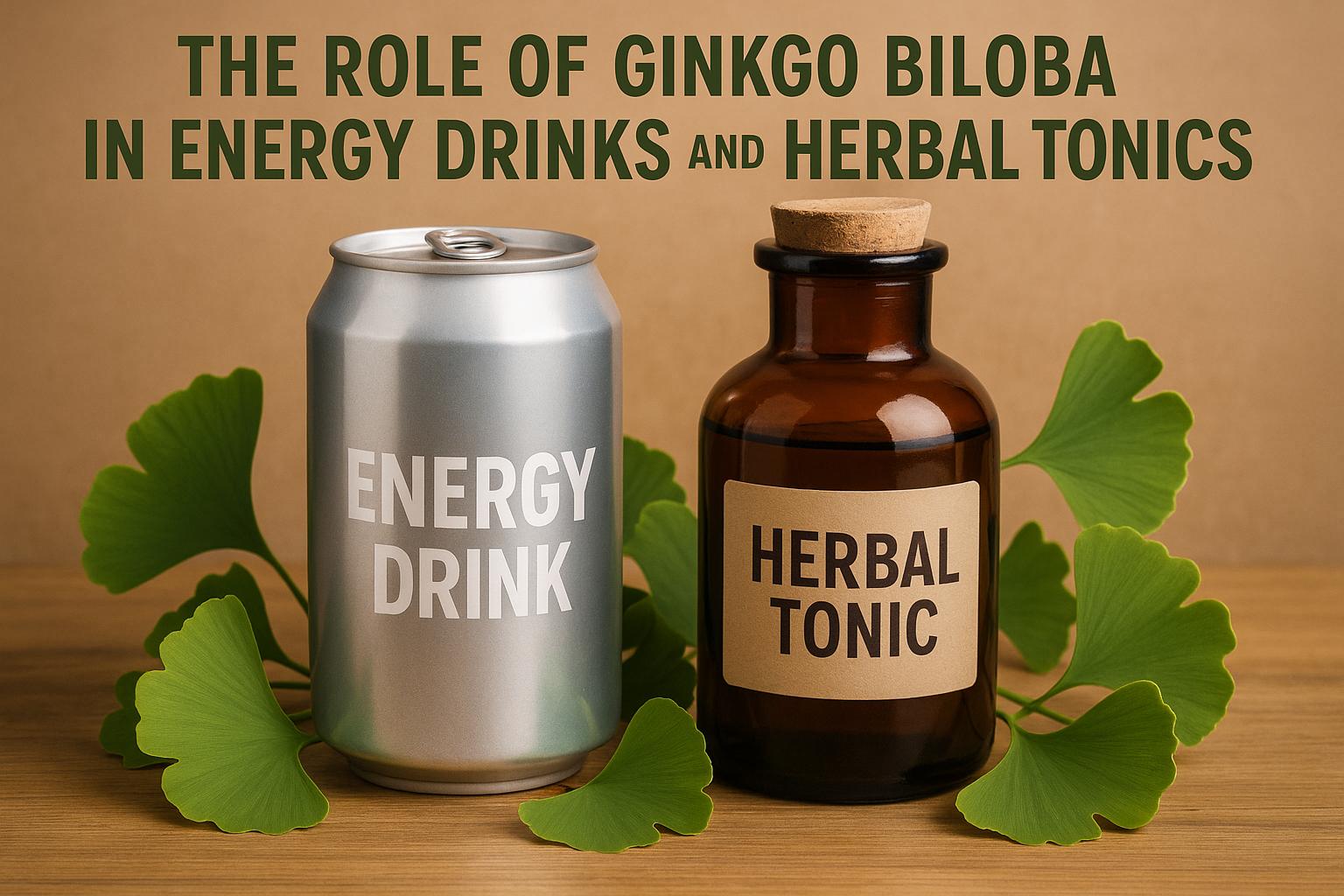
The Role of Ginkgo Biloba in Energy Drinks and Herbal Tonics
The utilization of Ginkgo biloba in energy drinks and herbal tonics has garnered considerable attention due to its reputed health benefits. Originally derived from the leaves of the Ginkgo tree, Ginkgo biloba is a component commonly associated with traditional medicine practices, particularly in Asia. Its integration into modern consumables aims to leverage its potential cognitive and circulatory benefits, appealing to a health-conscious consumer base seeking natural enhancements.
Historical Context of Ginkgo Biloba
Ginkgo biloba has a long-standing history, dating back thousands of years, where it has been primarily used to support cognitive functions and enhance memory. The tree itself is one of the oldest living tree species, tracing back to over 200 million years. Its resilience and longevity make it a fascinating subject of study both historically and scientifically. Traditionally, it has been utilized in Chinese medicine, with references documenting its use in treating ailments associated with age-related cognitive decline.
Active Compounds and Potential Benefits
Ginkgo leaves are rich in flavonoids and terpenoids, compounds known for their antioxidant properties. These antioxidants play a crucial role in combating oxidative stress within the body, potentially mitigating the effects of free radicals that can lead to cellular damage. Additionally, there is substantial evidence suggesting that Ginkgo biloba may help improve blood circulation by promoting vasodilation. Enhanced blood flow can potentially have various benefits, including improved cognitive performance and a general sense of vitality, which is why it often finds a place in energy-boosting consumables.
Ginkgo Biloba in Energy Drinks
Energy drinks containing Ginkgo biloba are marketed with claims of enhancing mental clarity and providing a natural energy boost. The presence of Ginkgo not only offers potential improvements in mental acuity but, when combined with caffeine and other stimulants, it theoretically provides a more sustained energy release. This synergy is particularly appealing to consumers looking for alternatives to traditional caffeinated beverages. Such products might also appeal to individuals involved in tasks demanding high levels of concentration and endurance.
Herbal Tonics and Their Use
Herbal tonics infused with Ginkgo biloba are often positioned as holistic wellness products. In these formulations, Ginkgo’s role is to contribute to overall well-being, supporting both mental and physical health. Typically containing a blend of various herbs, these tonics operate within the domain of natural remedies aimed at individuals seeking to supplement their diet with plant-based nutrients. The inclusion of Ginkgo in these tonics is intended to enhance cognitive function, potentially aid in stress reduction, and boost overall vitality, thus serving as a natural alternative to more synthetically formulated products.
Evaluating the Efficacy of Ginkgo Biloba
While scientific research offers some support for the benefits of Ginkgo biloba, it is important to approach these claims with a degree of caution. Regulatory bodies like the FDA continue to evaluate the efficacy and safety of Ginkgo in consumer products. Rigorous clinical trials are necessary to conclusively determine the extent of its benefits and potential side effects. Although anecdotal evidence and preliminary studies may highlight positive outcomes, comprehensive research is critical to validate its efficacy. Consumers are encouraged to stay informed about ongoing research to make educated decisions regarding their use of Ginkgo biloba products.
Considerations and Potential Side Effects
Consumers should remain informed about potential side effects when integrating Ginkgo biloba into their diet, particularly through energy drinks and tonics. Documented side effects include but are not limited to headaches, dizziness, and digestive discomfort. Moreover, Ginkgo may interact with certain medications, such as anticoagulants and antidepressants, potentially altering their effects or causing harmful interactions. Thus, consulting with healthcare providers before incorporating Ginkgo supplements or related products into one’s diet is critical for safety and efficacy.
For more detailed insights into herbal supplements and their components, credible resources and research articles are available through scientific journals and health-focused organizations. It is advisable to explore these materials to gain a comprehensive understanding of products featuring Ginkgo biloba. Such resources may offer a deeper dive into the phytochemistry of Ginkgo and the breadth of its applications in modern healthcare solutions.
Understanding the role of Ginkgo biloba in consumable products requires a balanced perspective, considering both anecdotal experiences and scientific literature. Careful consideration of its potential effects on cognitive function and overall well-being allows for a more nuanced appreciation of this ancient plant. While the integration of Ginkgo into energy drinks and herbal tonics is undoubtedly on the rise, it necessitates a careful evaluation of its benefits versus its risks. As with many herbal supplements, informed and moderated use remains key to maximizing potential benefits while minimizing risks, ensuring that its adoption into dietary regimens is both safe and beneficial.