
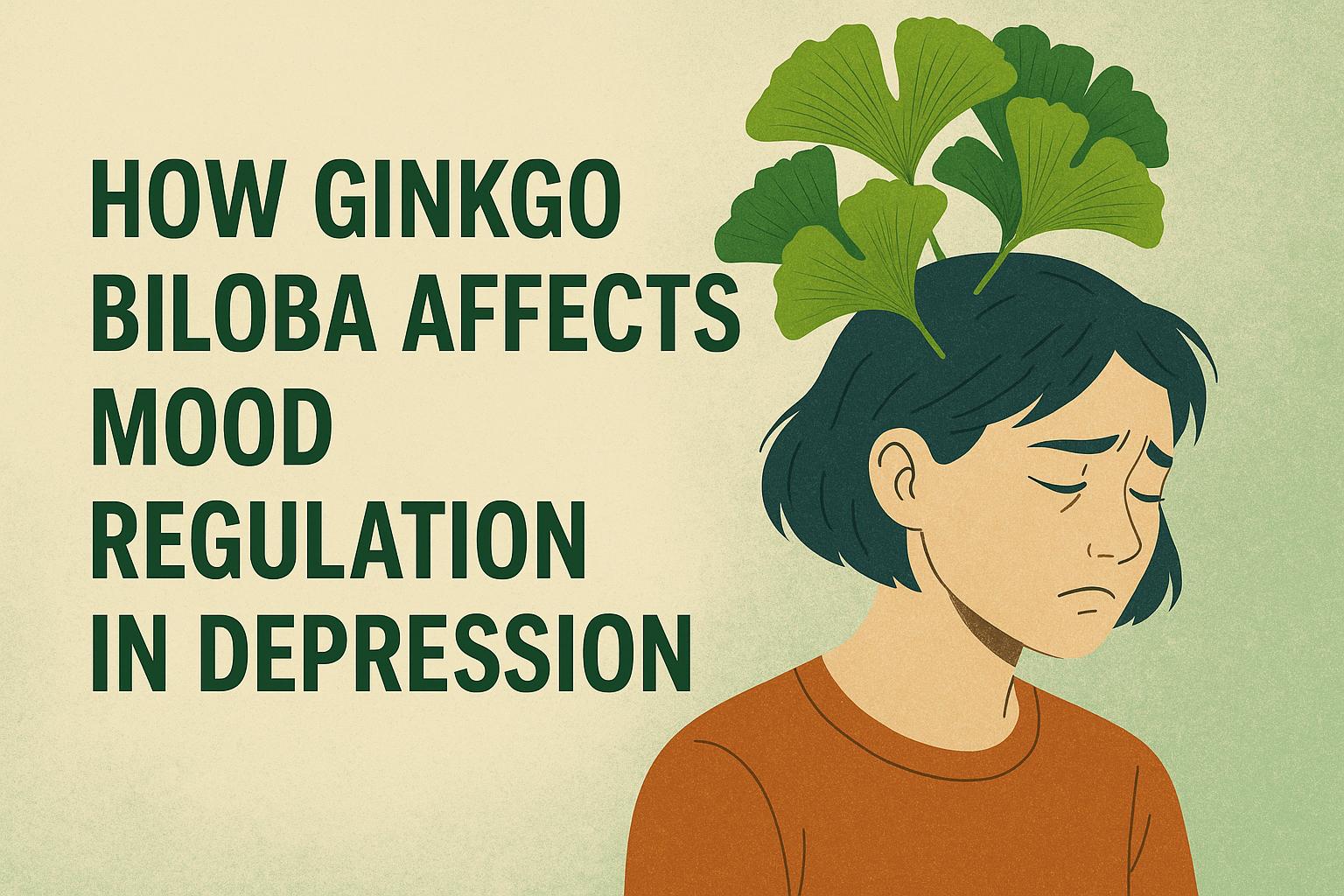
Understanding Ginkgo biloba
The Ginkgo biloba tree, also known as the “living fossil,” belongs to one of the oldest tree species in the world. This ancient tree has fascinated scientists and researchers alike, due in part to its resilience and long history of medicinal use. Particularly in traditional Chinese medicine, Ginkgo biloba has been employed for centuries to treat a variety of ailments ranging from digestive issues to asthma and cognitive decline. Recently, the interest in Ginkgo biloba has expanded to encompass its potential role in mood regulation, specifically with regard to depression.
Unveiling the Chemical Composition
Ginkgo biloba’s therapeutic benefits are largely attributed to its rich chemical composition. The leaves of this tree are a repository of biologically active compounds, of which flavonoids and terpenoids are considered paramount. These compounds have drawn attention due to their potent antioxidant capabilities and their potential role in enhancing blood circulation, factors that may contribute to their mood-regulating properties.
The Role of Flavonoids
Flavonoids, prevalent polyphenolic compounds in Ginkgo biloba, are celebrated for their impressive antioxidant properties. These antioxidants are crucial in neutralizing free radicals, thereby guarding brain cells against oxidative stress—a condition associated with the progression of depression. By maintaining the integrity of these vital cells, flavonoids play a significant role in supporting mental health. Furthermore, some researchers believe that the antioxidant activity provided by flavonoids may help in mitigating cognitive impairment, a common accomplice to depressive disorders.
Understanding Terpenoids
Terpenoids, particularly ginkgolides and bilobalides, are another group of influential compounds found in Ginkgo biloba. These elements are noted for their capacity to improve blood circulation by promoting the dilation of blood vessels and reducing the clumping together of platelets, which often poses a risk for cardiovascular complications. Enhanced cerebral blood flow is believed to support cognitive functions and mood regulation, offering individuals who consume Ginkgo biloba an ancillary avenue toward improved mental clarity and emotional stability.
Investigating Potential Mood-Regulating Effects
Although Ginkgo biloba is not currently recognized as a primary treatment for depression or other mood disorders, its use as a supplementary therapy is under active investigation. Preliminary findings suggest that Ginkgo biloba may assist in alleviating depressive symptoms by influencing neurotransmitter activity and mitigating inflammation.
Impact on Neurotransmitter Activity
The potential effects of Ginkgo biloba on neurotransmitters such as serotonin and dopamine are of particular interest to researchers. By enhancing the activity of these critical neurotransmitters, which are intimately tied to mood regulation, Ginkgo biloba might offer a stabilizing effect on mood. This modulation of neurotransmitter function could be an essential mechanism by which Ginkgo biloba exerts its potential antidepressant effects, making it a noteworthy subject of study for those researching alternative treatments for mood disorders.
Anti-inflammatory Potential
Recent studies increasingly recognize the role of inflammation in the pathophysiology of depression. In this context, Ginkgo biloba’s anti-inflammatory properties offer a promising avenue for research. It is posited that by reducing inflammation in the brain, Ginkgo biloba could help ameliorate some symptoms of depression. This anti-inflammatory action might be part of the broader spectrum of ways Ginkgo biloba contributes to mood regulation, adding yet another dimension to its therapeutic potential.
Exploring the Research Landscape
Ongoing scientific inquiry seeks to unravel the complex relationship between Ginkgo biloba and mood regulation. While some studies present encouraging results, painting a promising picture of Ginkgo biloba as an adjunctive treatment for depression, others have reported only modest effects. A notable study in a reputable journal highlighted that Ginkgo biloba supplementation could enhance mood in individuals experiencing mild to moderate depression. Nonetheless, the outcomes appeared sensitive to variations in dosage and duration, underscoring the need for personalized medicinal strategies.
Nuances in Research Findings
The inconsistency in research findings calls for cautious optimism regarding Ginkgo biloba’s effectiveness. Several factors, including the heterogeneous nature of depression, different dosage regimens, and varying methodologies across studies, contribute to these varied results. As such, more rigorous and expansive studies are essential to ascertain the full scope and limits of Ginkgo biloba’s effectiveness in mood regulation.
Key Considerations and Final Thoughts
While the potential of Ginkgo biloba as a mood-regulating supplement is intriguing, it is crucial to approach its usage with caution. Consider it a complementary therapy rather than the primary course of treatment for depression. Those contemplating adding Ginkgo biloba to their regimen should do so under the guidance of a healthcare professional to avoid unnecessary complications, especially if they are already under treatment with antidepressant medications.
To conclude, while the promise of Ginkgo biloba in mood regulation is a captivating field of study, its role and efficacy remain to be cemented firmly within the scientific community. Further investigations are crucial to fully understand its interactions and effects, thereby enabling informed and safe use. Individuals keen on exploring its benefits should seek guidance from trusted sources, keeping a discerning eye on emerging studies that continue to shape our understanding of this ancient yet ever-relevant tree.