
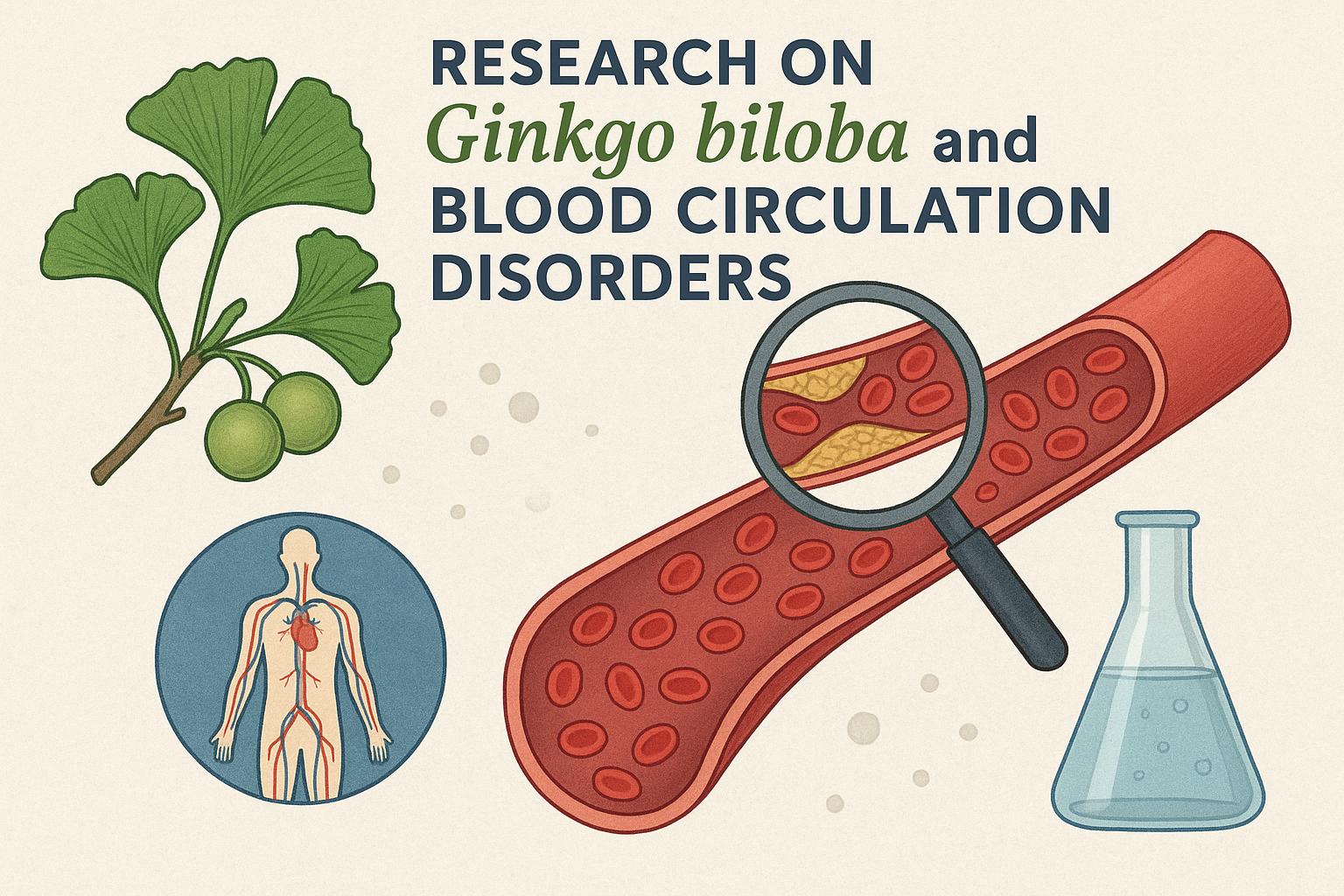
Introduction to Ginkgo Biloba
The Ginkgo biloba, often referred to as the maidenhair tree, stands as one of the most ancient tree species still in existence today. With its roots tracing back over 200 million years, this resilient tree has managed to persist where many others have perished, earning its place as a living fossil. Its endurance through millennia is complemented by its long-standing utilization in traditional medicine, particularly in China. For centuries, practitioners have harnessed the potential benefits of Ginkgo biloba, grounding their practices in beliefs about the tree’s ability to enhance cognitive function, support health, and improve various bodily processes. In more recent decades, the focus has shifted to understanding scientifically how Ginkgo biloba can assist in treating blood circulation disorders. This has spurred a wide array of studies and interest from the scientific community, eager to quantify and understand the exact impact of this ancient remedy.
Active Compounds
A significant reason behind Ginkgo biloba’s efficacy, especially concerning circulatory health, lies in its active compounds: flavonoids and terpenoids. These bioactive constituents play a pivotal role due to their powerful antioxidant properties. Flavonoids, a large group of polyphenolic plant compounds, are known for their ability to combat oxidative stress by neutralizing harmful free radicals. This activity is crucial, as oxidative stress is often linked to vascular damage and chronic diseases. Terpenoids, on the other hand, enhance blood flow by promoting the dilation of blood vessels and reducing platelet aggregation, effectively lessening the stickiness of the platelets. This mechanism is particularly important in maintaining a smooth and efficient circulatory flow, thereby potentially preventing blockages and improving overall cardiovascular health. By interacting synergistically, these compounds bolster the body’s defense mechanisms, positioning Ginkgo biloba as a supplement of interest in managing blood circulation disorders.
Ginkgo Biloba and Blood Circulation
Amidst various health applications, Ginkgo biloba has been particularly investigated for its ability to assist with blood circulation disorders. Clinical studies have consistently explored and highlighted the impact of this supplement across a range of such conditions. The evidence seems to suggest a noticeable benefit particularly relevant to peripheral artery disease and intermittent claudication. Patients afflicted with these conditions frequently report a marked improvement in their ability to walk longer distances and with greater ease, suggesting a tangible enhancement in circulation efficiency. With an underlying potential to transform personal comfort and daily activities, Ginkgo biloba emerges as a natural adjunct to standard treatments for these prevalent disorders.
Peripheral Artery Disease
Peripheral Artery Disease (PAD) is characterized by the narrowing of arteries, which invariably leads to a reduced blood flow to the limbs, manifesting as discomfort and pain. In addressing PAD, preliminary research indicates compelling data supporting Ginkgo biloba supplementation. The improvement of symptoms observed may be attributed to enhanced circulation facilitated by the active compounds within the Ginkgo biloba extract. This herb’s potential ability to enhance blood flow makes it a candidate for symptom alleviation in cases where traditional therapies may fall short or benefit from complementation. For more expansive insights into managing PAD, consulting trusted medical resources is advisable.
Intermittent Claudication
Intermittent claudication, a condition typically associated with pain due to insufficient blood flow during exercise, often stems from Peripheral Artery Disease. Here too, Ginkgo biloba extract has shown favorable outcomes. Through systematic intake, patients have reported reduced pain levels and an improved capacity for physical activity. The underlying mechanism by which Ginkgo biloba functions in this context is largely attributed to its effect on nitric oxide levels. The enhancement of nitric oxide is known to relax and widen blood vessels, a process that supports increased and more effective blood flow. This mechanism of action makes Ginkgo biloba a valuable natural consideration for individuals seeking to manage intermittent claudication in conjunction with professional medical advice.
Dosage and Safety
When considering Ginkgo biloba as a supplementary option, attention to dosage and safety remains a pivotal concern. Like many supplements, Ginkgo biloba requires mindfulness regarding the appropriate intake to avoid unintended adverse effects. Generally, empirical studies recommend a dosage ranging between 120 mg and 240 mg per day. However, despite its potential, it is crucial for individuals to seek professional healthcare advice prior to initiating a regimen including this supplement. This ensures not only the tailoring of dosage to individual health needs but also minimizes possible side effects such as headaches, dizziness, or gastrointestinal disturbances. While Ginkgo biloba is generally considered safe for short-term use, particularly as a circulatory aid, long-term safety data are less conclusive. Thus, an informed and cautious approach is strongly advisable.
Conclusion
In synthesizing available research and anecdotal evidence, it is clear that Ginkgo biloba presents promising opportunities for the management of certain blood circulation disorders. However, despite the encouraging findings, ongoing research remains essential. The need to better understand the scope of its efficacy and the specific mechanisms of action within diverse populations is critical. Approaching Ginkgo biloba supplementation should always be under medical advisement, ensuring that its use is both safe and suitable within an individual’s comprehensive healthcare regimen. As scientific inquiry continues to unveil the nuances of this ancient tree’s benefits, Ginkgo biloba stands at the intersection of traditional healing wisdom and modern scientific exploration.