
Introduction
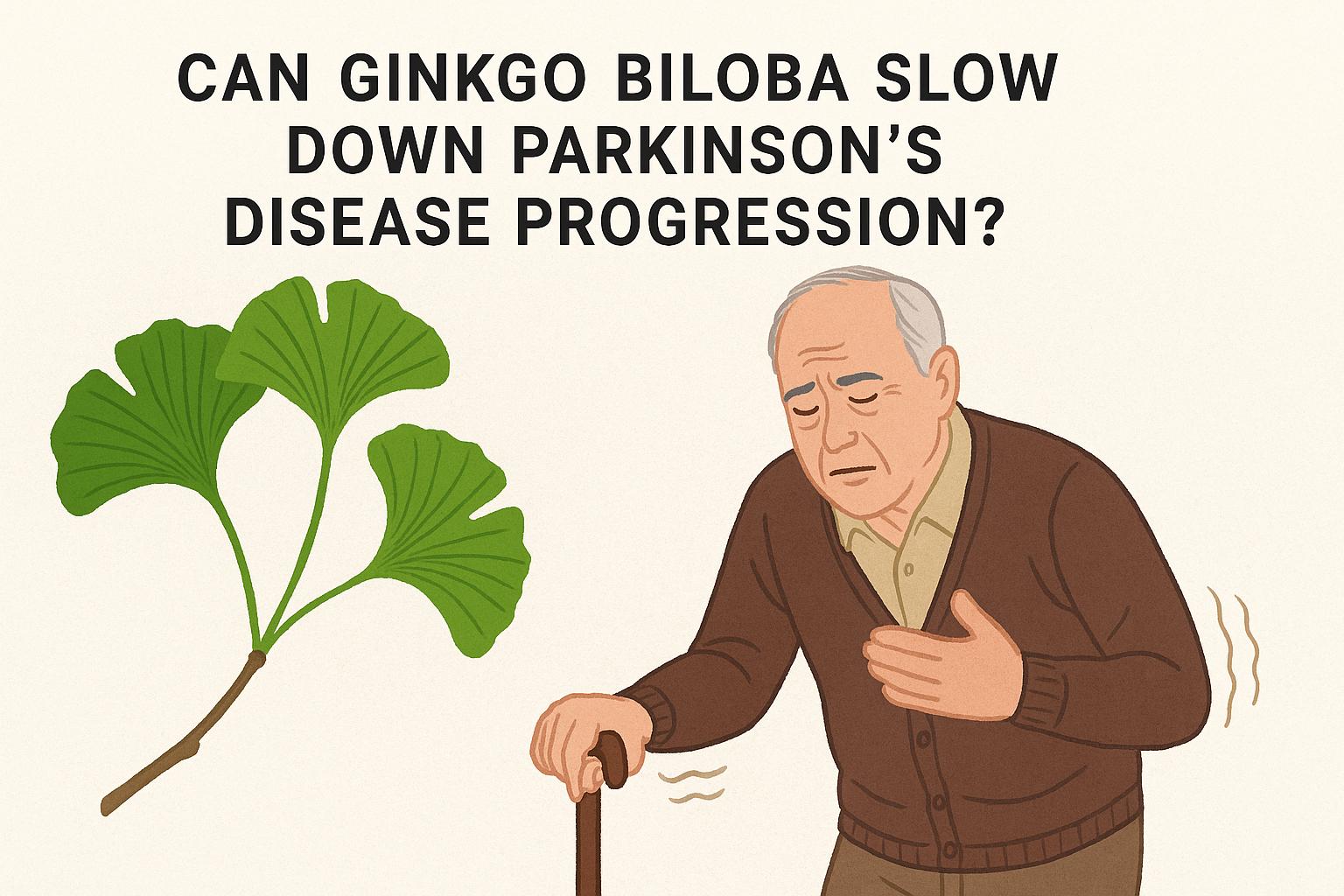
Ginkgo biloba, a traditional medicinal herb, is renowned for its array of potential health benefits, particularly its neuroprotective properties. This herb has been studied for its effects on numerous neurological conditions, among which Parkinson’s disease stands out due to its complexity and the challenge it presents to healthcare providers. Characterized by the gradual loss of neurons in the brain responsible for dopamine production, Parkinson’s disease poses significant implications for individuals’ quality of life. This article delves into the current scientific understanding and evidence regarding the possible role of Ginkgo biloba in decelerating the progression of Parkinson’s disease.
Understanding Parkinson’s Disease
Parkinson’s disease is a chronic and progressive movement disorder, which affects millions of individuals worldwide, and is particularly prevalent among the elderly. It is marked by a suite of motor symptoms, including tremors, muscle rigidity, slowed movements (bradykinesia), and impaired balance and coordination, known as postural instability. Fundamentally, the disease is rooted in the degeneration of dopaminergic neurons located in the substantia nigra, a crucial part of the brain responsible for movement regulation. Despite significant advances in medical research, there is no known cure for Parkinson’s disease, and treatment strategies primarily aim at alleviating symptoms and improving patients’ quality of life.
Mechanisms of Ginkgo biloba
Ginkgo biloba’s potential benefits in neurological health are attributed to its complex chemical composition. The leaves of the Ginkgo tree contain potent compounds known as flavonoids and terpenoids, which exhibit strong antioxidant and anti-inflammatory actions. These properties enable Ginkgo biloba to potentially protect neurons from damage induced by oxidative stress and inflammatory processes. In the context of Parkinson’s disease, these compounds may aid in preserving neuron integrity and functionality, which could theoretically help in slowing or altering the disease’s progression.
Scientific Evidence
A number of studies have sought to evaluate the role of Ginkgo biloba in combating neurodegenerative disorders. Preclinical trials conducted on animals have suggested that Ginkgo biloba may bolster cognitive functions and safeguard neuronal health. However, when it comes to evidence from human clinical trials, specific to Parkinson’s disease, the findings are sparse and often lack consistency. Some investigations have indicated possible slight improvements in symptoms or a reduction in the rate of neuronal degradation. Conversely, other studies have failed to show significant benefits. This disparity underscores the need for a more comprehensive understanding of Ginkgo biloba’s effects and mechanisms in human subjects.
Current Limitations
The exploration of Ginkgo biloba’s potential benefits for Parkinson’s disease is marred by several limitations. A considerable number of existing studies are constrained by small sample sizes, reducing the reliability of their findings. Furthermore, many studies utilize varying methodologies and lack rigorous designs, which further muddles the potential correlation between Ginkgo biloba and improved neurological health. There are also inconsistencies in the form and dosage of Ginkgo biloba administered in clinical settings, adding another layer of complexity in interpreting study outcomes. These factors collectively highlight the necessity for more methodically sound research to establish concrete conclusions.
Conclusion
In summary, while the antioxidant and anti-inflammatory attributes of Ginkgo biloba present a plausible basis for its use in managing Parkinson’s disease, the scientific evidence does not yet provide a definitive endorsement of its effectiveness or safety in slowing the disease progression. The current body of research is inconclusive and does not conclusively substantiate Ginkgo biloba as a complementary treatment option for Parkinson’s disease. Consequently, it is imperative for further large-scale, well-structured clinical trials to be conducted to accurately determine the herb’s potential therapeutic benefits for Parkinson’s patients. Until such evidence is available, individuals considering Ginkgo biloba for Parkinson’s should engage in informed discussions with their healthcare providers to better understand potential benefits and risks. For those seeking additional information on ongoing research, scientific publications can be accessed through resources like the National Center for Biotechnology Information.