
Introduction
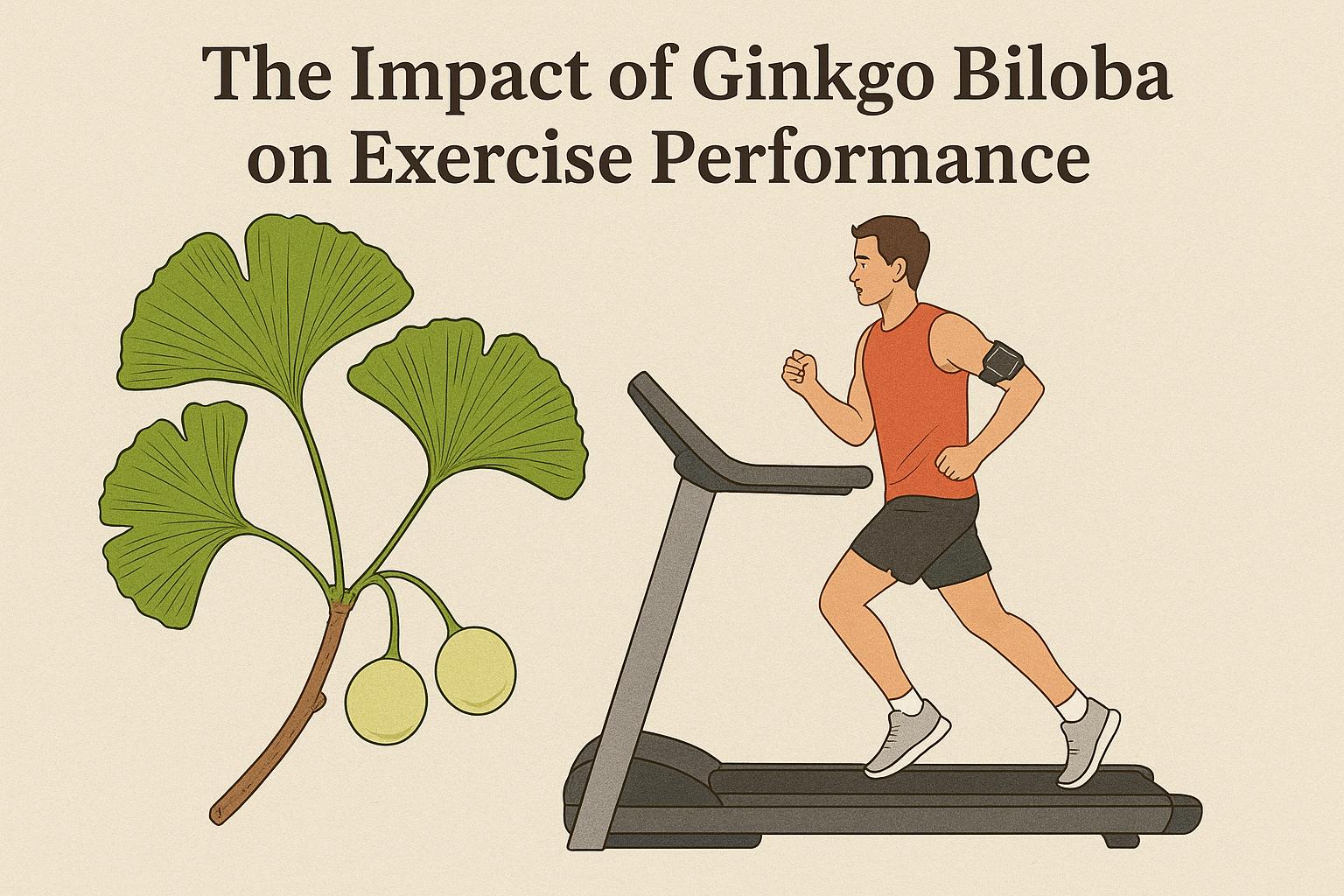
The potential impact of Ginkgo biloba on exercise performance has garnered significant interest within the health and wellness community. Known for its extensive use in traditional medicine, Ginkgo biloba is derived from one of the oldest living tree species. This botanical supplement is often used for its purported cognitive benefits, but recent studies have also explored its effects on physical performance.
Understanding Ginkgo biloba
Ginkgo biloba contains flavonoids and terpenoids, compounds which have strong antioxidant properties. These components are believed to improve circulation and protect against oxidative stress, potentially offering a range of health benefits. The extract of this plant is popularly taken in the form of capsules, tablets, or teas.
Ginkgo biloba is derived from a tree that holds a significant place in both natural history and cultural importance. The gingko tree, with its distinctive fan-shaped leaves, is a living fossil, unchanged over millions of years, and revered in various traditional practices around the world. This venerable history accompanies the belief in its health-promoting properties, extending from anecdotal folklore to contemporary scientific inquiry.
Effects on Exercise Performance
Increased Blood Flow
The vasodilatory properties of Ginkgo biloba may enhance blood flow, potentially improving oxygen and nutrient delivery to muscles during exercise. This could lead to increased stamina and reduced fatigue, potentially benefiting aerobic and endurance activities. Enhanced circulation is often linked to better athletic performance, and Ginkgo biloba supplementation could support exercise by facilitating more efficient metabolic processes within exercising muscles.
Antioxidant Support
Intense physical activity can lead to oxidative stress, which may impair performance and recovery. The antioxidants in Ginkgo biloba could help mitigate these effects by neutralizing free radicals, potentially aiding in quicker recovery times and decreased muscle soreness. Athletes may experience less cellular damage and inflammation due to these antioxidant properties, leading to improved post-exercise recovery and an overall enhancement in exercise capacity.
Improved Cognitive Function
The cognitive benefits of Ginkgo biloba are well-documented, with studies suggesting improved memory and concentration. While these effects primarily relate to mental acuity, better cognitive function can indirectly enhance exercise performance. Improved focus and mental clarity might support better decision-making during physical activities, thereby contributing to enhanced performance outcomes.
Scientific Research
Several studies have investigated the relationship between Ginkgo biloba supplementation and exercise performance. Although results have been mixed, there is some evidence suggesting potential benefits.
A study published in the Journal of Sports Medicine explored the effects of Ginkgo biloba on young male athletes. The findings suggested improved oxygen utilization and reduced perception of effort during exercise. These findings indicate that Ginkgo biloba could help athletes train more efficiently by making physical exertion feel less demanding.
However, other research, such as findings presented in the International Journal of Sport Nutrition and Exercise Metabolism, reported no significant benefits in terms of performance enhancement. The inconsistency in research outcomes indicates that individual responses to the supplement may vary, underscoring the need for further comprehensive studies to establish its efficacy fully.
Considerations and Safety
While Ginkgo biloba is generally considered safe for most people when used appropriately, potential side effects include gastrointestinal disturbances, headache, and allergic skin reactions. It is crucial to consult with a healthcare professional before starting any new supplement, particularly for individuals on medication or with underlying health conditions.
The variability in how individuals respond to Ginkgo biloba supplementation highlights the importance of personalized health approaches. Factors such as age, fitness level, existing health conditions, and concurrent use of other medications can influence both the efficacy and safety of the supplement.
Conclusion
The impact of Ginkgo biloba on exercise performance remains a topic of ongoing research. While some evidence points to potential benefits related to improved circulation and antioxidant support, further studies are needed to confirm these effects and determine optimal dosages. As with any supplement, personal circumstances and health conditions should guide its use, emphasizing the importance of professional medical advice.
Recognizing the complex interplay between nutrition, supplements, and exercise performance is essential for athletes and fitness enthusiasts. While Ginkgo biloba presents promising attributes, its role in enhancing physical performance is not yet conclusively proven. An understanding of the current scientific literature, alongside ongoing research, will continue to shape recommendations for its use in the context of exercise and athletic performance.
In conclusion, while the legendary status of Ginkgo biloba is anchored in ancient traditions and evolving scientific inquiry, its specific benefits on exercise remain to be fully elucidated. Enthusiasts and researchers alike continue to explore its potential, contributing to a nuanced understanding of natural supplements in modern health and fitness regimens.