
Ginkgo Biloba and Its Interactions with Other Herbal Supplements
Ginkgo biloba, a widely used supplement derived from the leaves of the ancient Ginkgo tree, is renowned for its potential to support cognitive function and enhance blood circulation. These attributes make it an appealing addition to many individuals’ daily health regimens. However, as with any supplement, understanding its interactions with other herbal products is crucial. Such awareness not only ensures the efficacy of the supplements but also safeguards against unforeseen side effects when taking multiple supplements concurrently.
Understanding Potential Interactions
The interaction between Ginkgo biloba and other supplements can enhance effects, reduce efficacy, or introduce undesirable side effects. Below is an expanded discussion of several notable interactions with common supplements:
Ginkgo Biloba and Ginseng: Cognitive Enhancement Considerations
The combination of Ginkgo biloba and ginseng is popular among those seeking a boost in mental performance. Both herbs have been traditionally used to improve mental clarity and concentration. The potential for this combination to enhance cognitive function lies in their ability to increase cerebral blood flow. However, this same mechanism can lead to side effects such as headaches or dizziness, which may stem from increased blood flow to the brain. Individuals interested in this combination should vigilantly monitor for adverse effects and consult with healthcare professionals if they experience symptoms like severe headaches or prolonged dizziness. It is also pertinent to start with lower doses when combining these two supplements to gauge personal tolerance and effectiveness.
Ginkgo Biloba and St. John’s Wort: Mood Stabilization Synergy
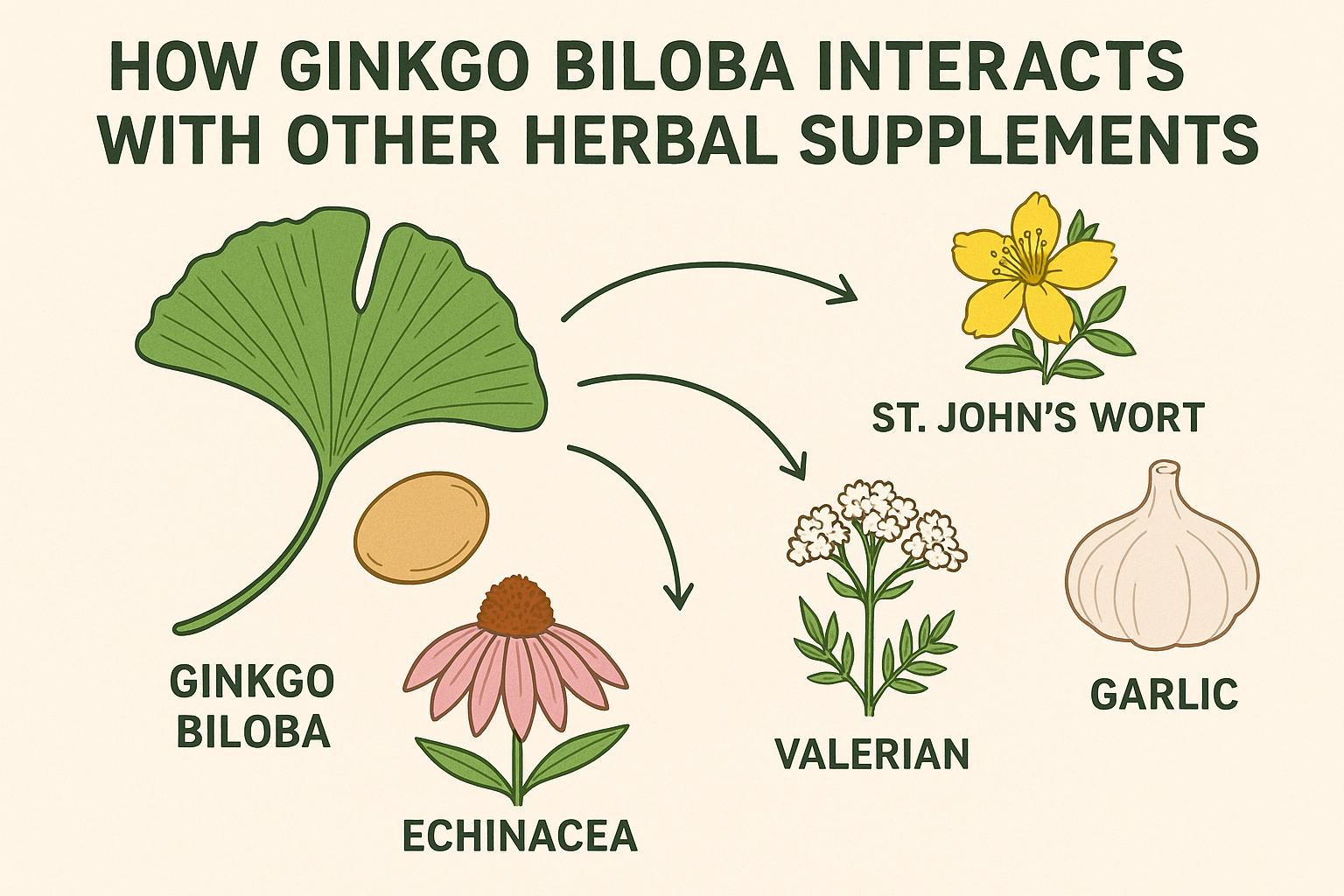
St. John’s Wort is a well-known herbal supplement often used for its mood-enhancing properties. When paired with Ginkgo biloba, users may experience amplified mood stabilization effects. Despite this potential benefit, it is critical to note that St. John’s Wort is notorious for its interactions with various medications. This factor could alter the intended effects of Ginkgo biloba or other prescribed drugs. To ensure safe usage, individuals considering this combination should seek professional advice, particularly if they are on medication regimens or have underlying health conditions that could be affected by these interactions. Close monitoring of mood and overall health status is also advised to prevent any negative consequences.
Ginkgo Biloba and Garlic Supplements: Blood Thinning Caution
Garlic is a staple in many natural health protocols due to its variety of cardiovascular benefits, including its recognized blood-thinning properties. Combining Ginkgo biloba with garlic supplements potentially increases the risk of bleeding, primarily due to the blood-thinning action shared by both substances. This potential risk is of particular concern for individuals already on anticoagulant medications or those with bleeding disorders. Therefore, this combination should be approached with caution. Regular consultations with healthcare providers are recommended to tailor supplement use according to individual health profiles and to mitigate the risk of excessive bleeding. It may also be beneficial to monitor for signs of unusual bruising or prolonged bleeding from minor cuts as indicators of increased bleeding risk.
Ginkgo Biloba and Evening Primrose Oil: Skin and Hormonal Health Balance
Evening Primrose Oil is frequently used for its benefits to skin health and its role in balancing hormones. While there is currently insufficient data confirming significant interactions between Evening Primrose Oil and Ginkgo biloba, caution is advised when introducing any new combination of supplements. This caution is particularly pertinent for individuals with existing health conditions or for pregnant individuals, where additional variables may affect health outcomes. As a precautionary measure, users should start with lower doses and incrementally increase as needed while monitoring for any changes in health, such as skin reactions or hormonal disturbances. Consulting a healthcare provider before making any changes is always a sound practice.
Conclusion
The potential health benefits provided by Ginkgo biloba may be enhanced or altered when combined with other herbal supplements. In some cases, combinations can work together to produce enhanced effects, while in other scenarios they might pose health risks. Because of these varying effects, it is critically important for individuals considering complex supplement regimens to consult healthcare professionals. Such consultations can supply essential guidance and create a framework for informed and safe usage of multiple supplements. Moreover, individuals should remain attuned to their body’s responses and any changes in their health status, fostering an approach that melds nature’s resources with responsible health management.