
Introduction to Ginkgo biloba
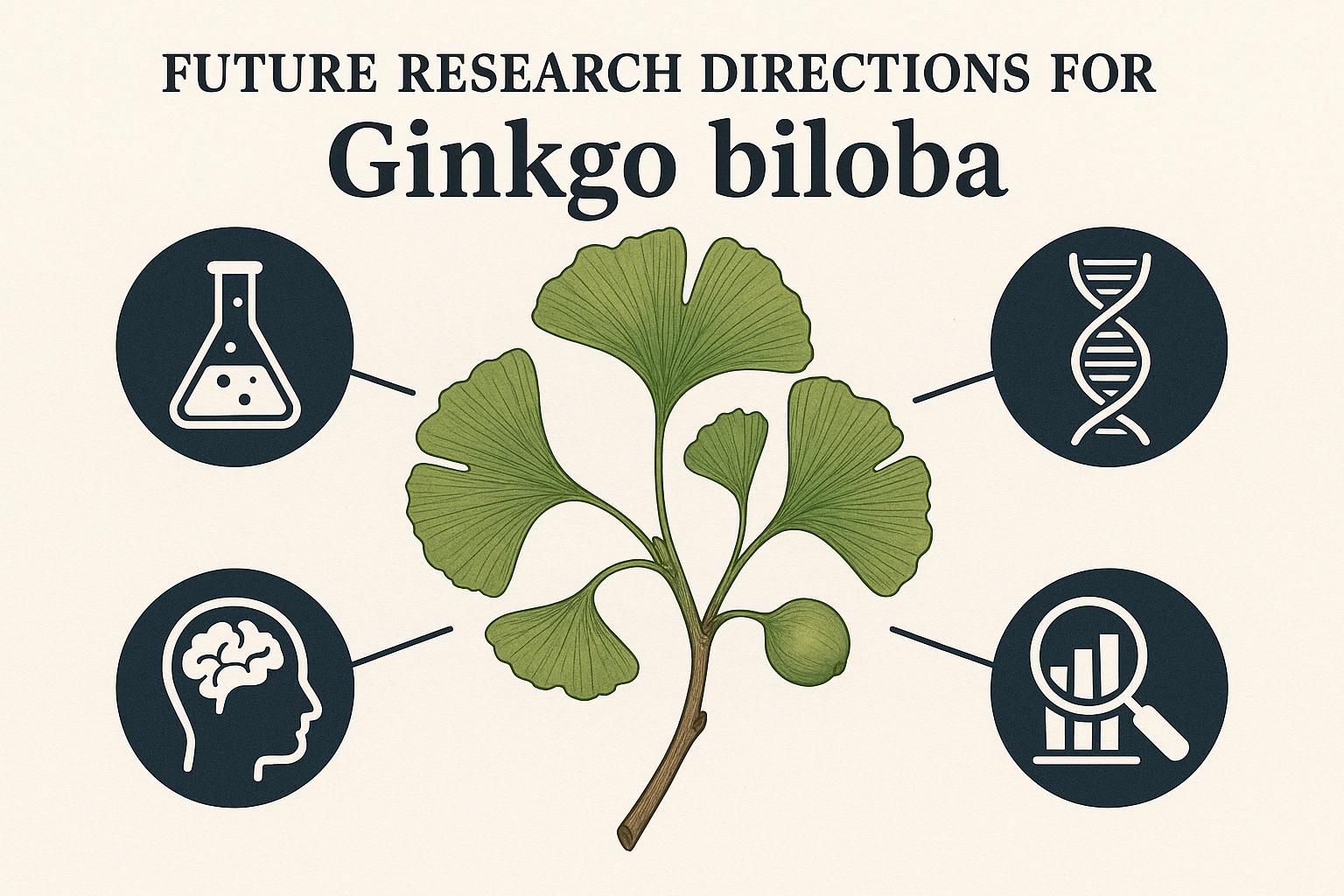
Ginkgo biloba, a tree species native to China, has been recognized for its exceptional medicinal properties for several centuries. The tree is easily identifiable by its unique fan-shaped leaves and remarkable resilience. Historically, it has been employed in traditional medicine for various therapeutic purposes. Recently, modern scientific research has begun to substantiate some of these long-standing claims, leading to a heightened interest in unraveling its full potential. As research in the area continues to advance, exploring the future directions of Ginkgo biloba studies becomes increasingly timely and crucial.
Phytochemical Profiling and Novel Compounds
A particularly promising area of research in the realm of Ginkgo biloba involves phytochemical profiling. The tree is known to contain a diverse array of bioactive compounds, including flavonoids and terpenoids. These compounds are of significant interest due to their potential health benefits. Future studies are likely to delve deeper into the exploration of novel compounds found in various parts of the tree, such as the leaves, seeds, and bark. Investigating these compounds could uncover new insights into their potential therapeutic applications.
The advancement of technology plays a critical role in facilitating more detailed analyses. Techniques such as mass spectrometry and nuclear magnetic resonance are likely to be employed more intensively to allow for the precise identification of these bioactive substances. Through these sophisticated methods, researchers aim to deepen their understanding of the chemical profile of Ginkgo biloba, potentially unveiling new compounds or interactions that could be beneficial in medical science.
Ginkgo biloba and Neurophysiological Disorders
In the field of neurophysiological disorders, Ginkgo biloba has attracted increasing attention. Its potential use in the treatment or management of neurodegenerative disorders, such as Alzheimer’s and Parkinson’s diseases, is a subject of active investigation. The extracts derived from Ginkgo biloba are believed to possess neuroprotective properties, which might contribute to improving cognitive function and enhancing memory.
Future research is anticipated to delve into the specific mechanisms through which the compounds within Ginkgo biloba interact with brain cells. Understanding these interactions is vital in assessing the tree’s efficacy in reducing oxidative stress and inflammation within neurological tissues. By leveraging Ginkgo biloba’s neuroprotective potential, researchers hope to provide new avenues for treatments that could mitigate the progression of neurodegenerative diseases.
The Role of Ginkgo biloba in Cardiovascular Health
Another exciting area of research involves the investigation of Ginkgo biloba’s potential impact on cardiovascular health. Initial studies have suggested that extracts from Ginkgo biloba may possess the ability to improve circulation and prevent damage to the arteries. However, to establish its efficacy and safety comprehensively, more extensive clinical trials are essential.
Examining how Ginkgo biloba interacts with other cardiovascular drugs could offer valuable insights into potential synergistic effects or contraindications. Researchers aim to explore these interactions further, which could subsequently influence the integration of Ginkgo biloba into cardiovascular therapies. By understanding its role in cardiovascular health better, Ginkgo biloba might become a valuable supplement in addressing heart-related conditions.
Sustainability and Ginkgo biloba Cultivation
As the popularity of Ginkgo biloba supplements continues to rise, ensuring sustainable cultivation practices becomes increasingly important. Research focused on identifying the optimal growing conditions and improving pest resistance is essential in supporting sustainable agricultural practices. Such efforts contribute not only to the preservation of Ginkgo biloba but also to limiting its ecological impact.
There is also an ongoing investigation into genetic modifications that could enhance the yield of Ginkgo biloba while maintaining the tree’s medicinal quality. These sustainability-focused studies are crucial in ensuring that the rising demand for Ginkgo biloba does not compromise its availability for future generations. As interest in its potential benefits grows, sustainable cultivation becomes a critical aspect of maintaining the balance between usage and preservation.
The National Center for Biotechnology Information provides additional resources and studies related to Ginkgo biloba and its extensive applications in modern science.
As the body of research surrounding Ginkgo biloba continues to expand, it holds significant promise not only for medical applications but also for contributing to sustainable agriculture and maintaining healthy ecosystems. Moreover, a greater understanding of its complex biochemistry can lead to breakthroughs in various fields, positioning Ginkgo biloba as an ongoing subject of scientific fascination.
In conclusion, the potential of Ginkgo biloba is vast, with multiple areas ripe for exploration. From its unique blend of bioactive compounds to its potential therapeutic applications in neurophysiological and cardiovascular domains, Ginkgo biloba stands at the forefront of modern scientific inquiry. As researchers delve deeper, the tree’s role in both traditional and modern medicine and its contribution to sustainable practices continue to make it an intriguing subject of study. Through continued research and innovation, the full spectrum of Ginkgo biloba’s benefits can be realized, potentially transforming various facets of health and environmental management.