
Understanding Ginkgo Biloba
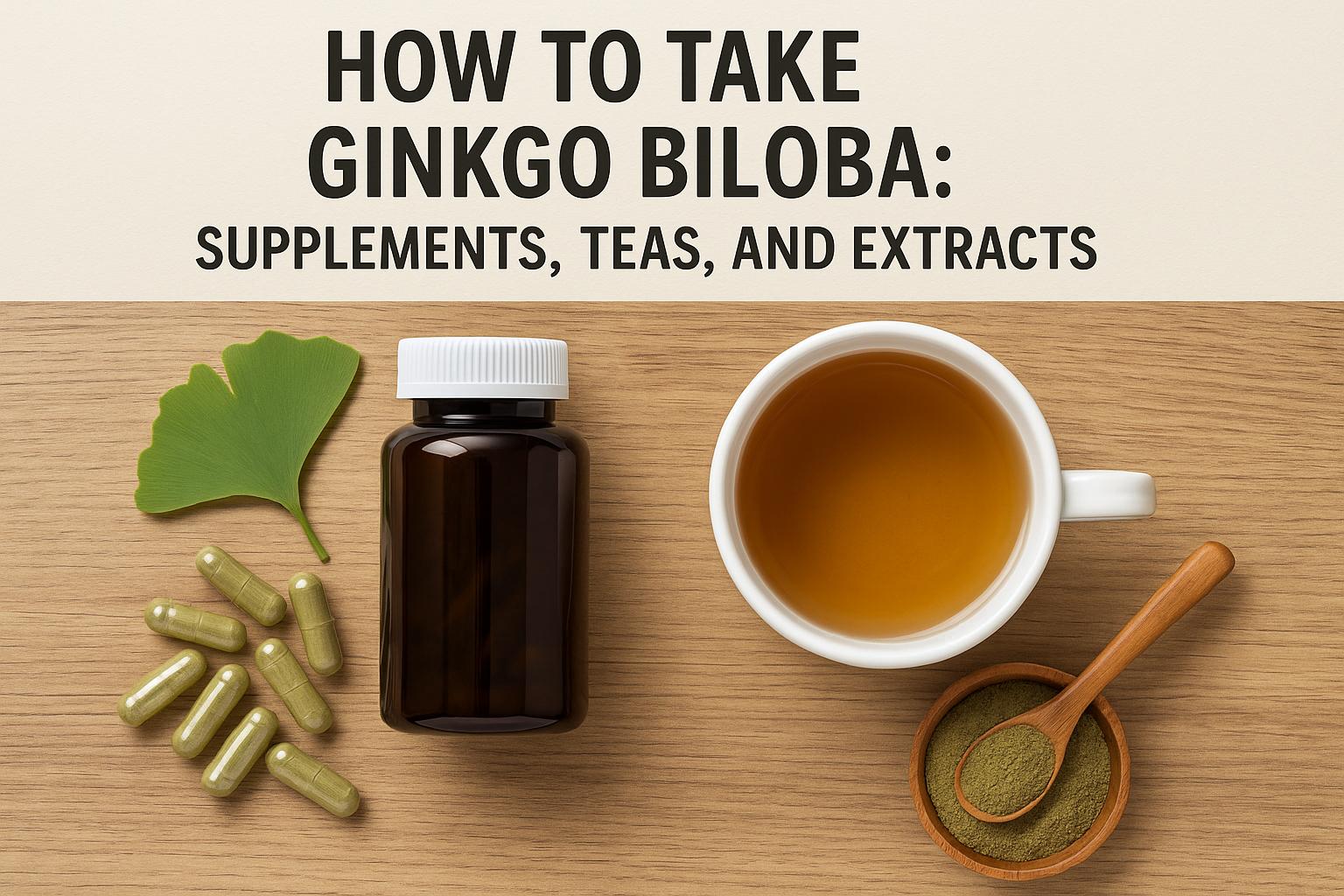
Ginkgo biloba is a plant with a rich history that extends back thousands of years, where it was traditionally employed for a range of health-related purposes. The leaves of the Ginkgo tree are the source of supplements that are extensively used today to foster cognitive health, enhance circulation, and provide antioxidant defense. In contemporary times, Ginkgo biloba is marketed in a myriad of forms, including supplements, teas, and extracts, offering versatile options for consumption.
Supplements
A prevalent form of Ginkgo biloba consumption is through supplements, which are readily accessible in either capsule or tablet form. The appeal of these supplements lies in their convenience and their provision of concentrated doses of ginkgo extract, which are believed to offer numerous therapeutic benefits.
Concentration and Composition: When selecting a Ginkgo biloba supplement, it is vital to verify the concentration of active compounds, specifically flavonoids and terpenoids, as these are thought to be central to the efficacy of the supplement. Such compounds are naturally occurring and contribute significantly to the health benefits associated with ginkgo use.
Dosage: The recommended dosage for Ginkgo biloba supplements may vary, depending on the concentration in individual products and one’s specific health objectives. Typically, a common dosage ranges from 120 to 240 mg per day, usually divided into two or three doses. Nevertheless, consulting with a healthcare provider is always prudent to ascertain an appropriate dosage tailored to your individual needs and health conditions.
Potential Benefits
A primary reason for the popularity of Ginkgo biloba supplements is their potential to enhance mental clarity and memory. Various studies have suggested that ginkgo might support brain health, particularly among older adult populations. Furthermore, there is a belief that it may aid in improving blood circulation, contributing to overall cardiovascular health.
Interactions and Side Effects
While Ginkgo biloba is generally regarded as safe for consumption, it is not without its concerns. The supplement may interact with specific medications, particularly anticoagulants and antiplatelet drugs, which could potentially lead to adverse effects. Additionally, some users might experience minor side effects, including headaches, dizziness, or gastrointestinal distress. Thus, it is crucial to seek guidance from a healthcare professional prior to commencing any new supplement regimen to mitigate potential risks.
Teas
For those who prefer an alternative to capsules and tablets, Ginkgo biloba can also be enjoyed as a tea. This form offers a gentler introduction to ginkgo’s benefits. Drinking ginkgo tea involves steeping dried ginkgo leaves in hot water, creating a warm, soothing beverage that can be easily integrated into daily routines.
Preparation: To successfully prepare a cup of ginkgo tea, use approximately 1 to 2 teaspoons of dried leaves per cup of water. Allow the leaves to steep for about 5 to 10 minutes to maximize flavor and benefits. This method provides a straightforward and enjoyable means of incorporating the benefits of ginkgo into your diet.
Herbal Blends
Ginkgo is also commonly found in herbal blends, often combined with other beneficial herbs. When choosing an herbal blend, it’s important to consider individual health goals and personal taste preferences. For example, ginkgo is frequently paired with green tea or ginseng to provide an additional energy boost or to enhance the blend’s flavor.
Extracts
Among the various forms of Ginkgo biloba, extracts are considered the most potent. These are typically delivered in liquid form and are made by concentrating the active compounds found in the ginkgo leaves. This concentration makes it easier to achieve the desired therapeutic dose, offering a more efficient method of consumption.
Usage: Using ginkgo extracts usually involves adding a few drops to water or juice. First-time users should adhere to the dosage recommendations provided on the product label or as advised by a healthcare provider, keeping in mind that concentrations can significantly vary between different brands.
Choosing Quality Extracts
For those choosing to use ginkgo extracts, it is crucial to purchase from reputable brands that verify content through third-party testing. This process ensures the purity and potency of the extract, offering a higher degree of reliability and safety in achieving the expected health benefits.
Conclusion
Ginkgo biloba’s versatility is demonstrated by the variety of forms in which it can be consumed, ranging from supplements to teas and extracts. With a storied history that underscores its traditional applications and a modern focus on cognitive health support, Ginkgo biloba remains a favored choice among many seeking natural health solutions. As with any supplement, the importance of consulting healthcare professionals cannot be overstated to ensure that ginkgo suits one’s personal health profile and that its use is both safe and effective. For those interested in deepening their understanding, pursuing detailed articles and studies from reputable sources can provide extensive insights to guide the thoughtful and informed use of Ginkgo biloba.