
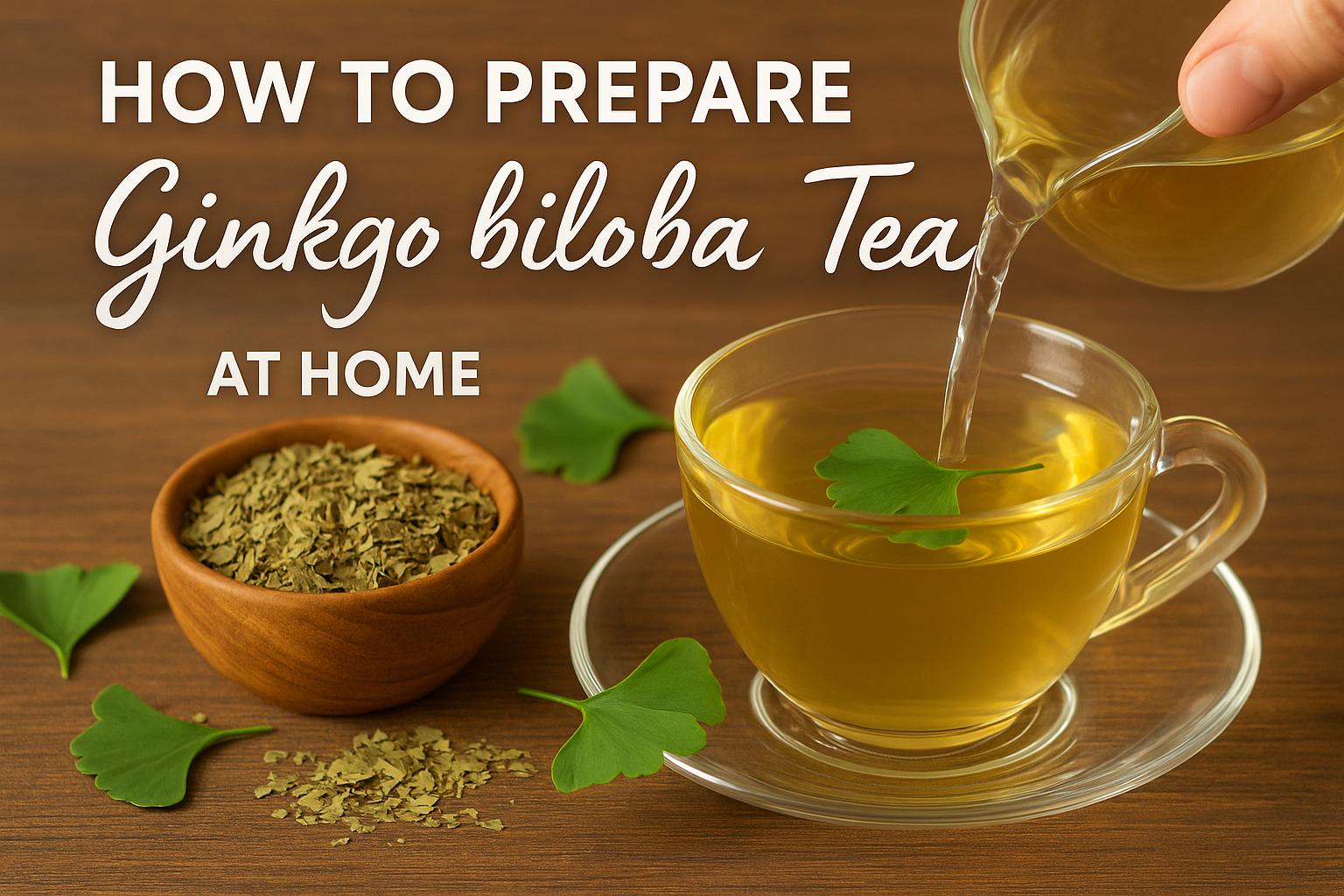
Introduction to Ginkgo biloba Tea
Ginkgo biloba tea, derived from the leaves of the ginkgo tree, is a herbal beverage with a long history of use in traditional medicine. This tea is known for its potential health benefits, which include improved cognitive function and enhanced circulation. When preparing ginkgo biloba tea at home, it’s essential to ensure you are using high-quality leaves for the best taste and maximum benefits.
Ingredients and Materials
When making ginkgo biloba tea, begin by gathering the following ingredients and materials:
Ingredients:
– Dried ginkgo biloba leaves
– Fresh or filtered water
– Optional natural sweetener like honey or stevia
Materials:
– A small saucepan or kettle
– A tea infuser or strainer
– A teapot or mug
– A teaspoon for measuring
Step-by-Step Preparation
Preparing your own ginkgo biloba tea at home is straightforward. Follow these steps to create a soothing cup of tea:
Choosing the Right Leaves
Select high-quality dried ginkgo biloba leaves. It’s important to source them from reputable suppliers to ensure they are free from contaminants. Various online stores specializing in herbal teas can offer a reliable supply of quality leaves. Carefully selecting the right leaves is crucial because the overall quality of the tea entirely depends on it.
Measuring Ingredients
Use about one teaspoon of dried ginkgo biloba leaves per cup of water. Adjust the quantity based on your taste preference and the strength of tea you desire. The correct balance can enhance your tea-drinking experience by delivering just the right amount of flavor without overpowering the senses.
Brewing the Tea
1. Boil the water: Pour fresh or filtered water into a small saucepan or kettle and bring it to a gentle boil. Clean, pure water is essential to avoid altering the tea’s intended taste with impurities.
2. Add the leaves: Place the ginkgo biloba leaves in a tea infuser or directly in your teapot. This step allows the leaves to be fully immersed, releasing their beneficial compounds as they steep.
3. Steep the tea: Once the water reaches boiling, pour it over the leaves. Allow the tea to steep for about 10 minutes. Be cautious not to over-steep, as it may result in a bitter flavor. The steeping time should be just right to extract the optimal level of nutrients and flavor.
4. Strain the tea: If you did not use an infuser, use a strainer to pour the tea into your cup, ensuring no leaves remain. This makes the tea clear and pleasant to drink without any bits of leaves.
Enhancing the Flavor
Some people find the natural taste of ginkgo biloba tea slightly bitter or earthy. To enhance flavor, consider adding a natural sweetener like honey or stevia. Add a small amount and gradually adjust based on your preference. Experimenting with different sweeteners can provide new variations of your beverage without altering its nutritive value drastically.
Storage and Freshness
Proper storage of your ginkgo biloba leaves will maintain their quality and potency over time. Store them in an airtight container, away from direct sunlight and moisture. It keeps the leaves fresh and ready for your next brew, ensuring that you continue to enjoy the same quality cup after cup.
Health Benefits and Considerations
Ginkgo biloba tea has been associated with numerous potential health benefits. Traditionally, it’s been used to support cognitive function and promote healthy circulation. However, as with any herbal remedy, these benefits can vary from person to person. Assess your individual health needs and consult with a healthcare professional to determine if ginkgo biloba is suitable for you, especially if you are pregnant, nursing, or taking medication.
Customized Tea Experiences
Customizing your tea can be a delightful way to enhance your ginkgo biloba drinking experience. Adding a slice of lemon or a pinch of ginger can introduce new layers of flavor, making your tea unique and more pleasing. Try different infusions with herbs you enjoy, considering the possibility of crafting your distinctive blend of herbal tea.
Environmental Impact
The popularity of herbal teas like ginkgo biloba has impacts on the environment. To minimize this, try to purchase from suppliers that employ sustainable farming practices. Additionally, use biodegradable or reusable tea infusers to reduce your carbon footprint. Eco-friendly choices contribute to preserving the planet while enjoying your daily cup of tea.
Conclusion
By following these straightforward instructions, you can enjoy a comforting cup of ginkgo biloba tea at home. With potential health benefits and a relaxing flavor profile, it’s a simple yet rewarding addition to your daily routine. Remember, moderation is important, and it’s advisable to consult with a healthcare professional if you have any concerns about incorporating ginkgo biloba into your diet. Proper preparation, awareness of benefits, and mindful consumption will ensure that you can appreciate all that ginkgo biloba tea has to offer. Embrace this herbal treasure and savor the ritual of preparing your cup, knowing you are engaging in a practice that has been cherished for generations.