
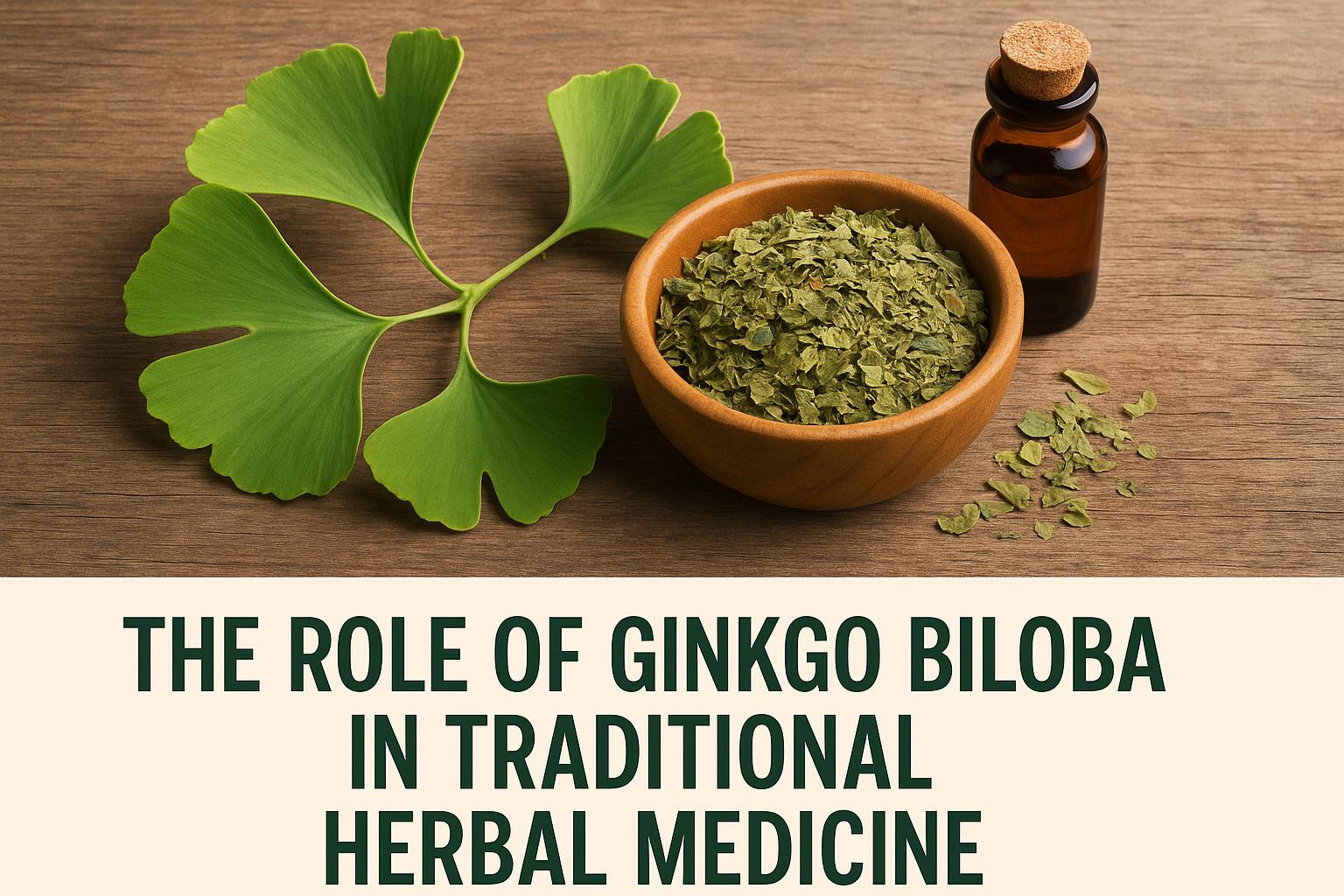
The Historical Significance of Ginkgo biloba
Ginkgo biloba, often referred to simply as ginkgo, is a captivating living relic of the prehistoric world. Known as one of the oldest living tree species, its history extends over 200 million years, offering insight into plant evolution and survival. Originating from China, this tree has not only captured the attention of botanists but has also been a critical component of traditional herbal medicine for centuries. The multifaceted uses of both its leaves and seeds across various cultures have contributed to its longstanding reputation in the realm of natural healing. In modern times, however, it is predominantly the leaf extract that has gained prominence in herbal preparations.
Traditional Uses in Chinese Medicine
Ginkgo biloba’s role in Chinese herbal medicine spans thousands of years, marking it as a significant medicinal plant in ancient healthcare practices. The seeds, referred to as “bai guo” in Chinese, have traditionally been employed to treat a spectrum of ailments. These include respiratory diseases, such as asthma and bronchitis, as well as bladder infections, illustrating their versatile usage. Despite their applications, it is critical to exercise caution due to the presence of toxins within the seeds, necessitating careful preparation to avoid adverse effects.
Conversely, ginkgo leaves have served broader medicinal purposes. Traditional Chinese medicine has long revered leaf extracts for their purported ability to enhance memory and mitigate cognitive decline. This traditional wisdom has pertinently shaped current perspectives, influencing the utilization of ginkgo in modern herbal supplement markets worldwide.
The Pharmacological Profile of Ginkgo biloba
The allure of Ginkgo biloba extends beyond its historical roots; it is equally intriguing from a pharmacological standpoint. Modern scientific endeavors have sought to validate the health claims associated with ginkgo, particularly focusing on the rich array of bioactive compounds in its leaves. Key components, such as flavonoids and terpenoids, are of profound interest due to their potential health benefits.
Flavonoids are well-recognized for their antioxidant properties. Antioxidants play a pivotal role in reducing oxidative stress within the body, a process that involves the neutralization of free radicals—unstable molecules that can cause cellular damage. This mechanism is crucial for protecting cells, potentially slowing the aging process, and supporting brain health. Terpenoids, too, contribute to ginkgo’s medicinal profile, complementing the antioxidative action with their own therapeutic properties.
Current Uses in Herbal Supplements
In contemporary contexts, Ginkgo biloba has emerged as a sought-after dietary supplement, often marketed for its alleged cognitive support and circulatory enhancements. It is frequently recommended for individuals experiencing conditions such as dementia and peripheral vascular disease, positioning it as a potential aid for maintaining cognitive vitality and vascular health.
However, the scientific community approaches these claims with a critical eye. Research evaluating the efficacy of ginkgo supplementation presents mixed outcomes. While some studies reveal improvements in memory and cognitive function, others indicate negligible effects, highlighting the complexity of its action and the need for further research.
Widely available in various forms—capsules, tablets, and teas—ginkgo supplements offer convenient options for those interested in exploring their potential benefits. Nonetheless, it is imperative to seek guidance from healthcare professionals before incorporating ginkgo into daily health regimens. This is particularly important due to possible interactions with medications and existing health conditions, ensuring safe and informed usage.
Conclusion
Ginkgo biloba resides at the intersection of ancient herbal wisdom and modern scientific exploration, underscoring its enduring significance in the study of herbal medicine. While its historical uses in traditional Chinese medicine underscore its longstanding importance, ongoing research continues to unravel its potential benefits and constraints in contemporary health contexts.
As with any herbal supplement, harnessing the potential health benefits of Ginkgo biloba requires informed and cautious application. Consulting professionals and considering individual health conditions are essential steps towards integrating ginkgo safely and effectively into health practices. This approach not only adheres to scientific guidelines but also respects the rich cultural heritage that informs the use of Ginkgo biloba, ensuring its benefits are utilized responsibly.