
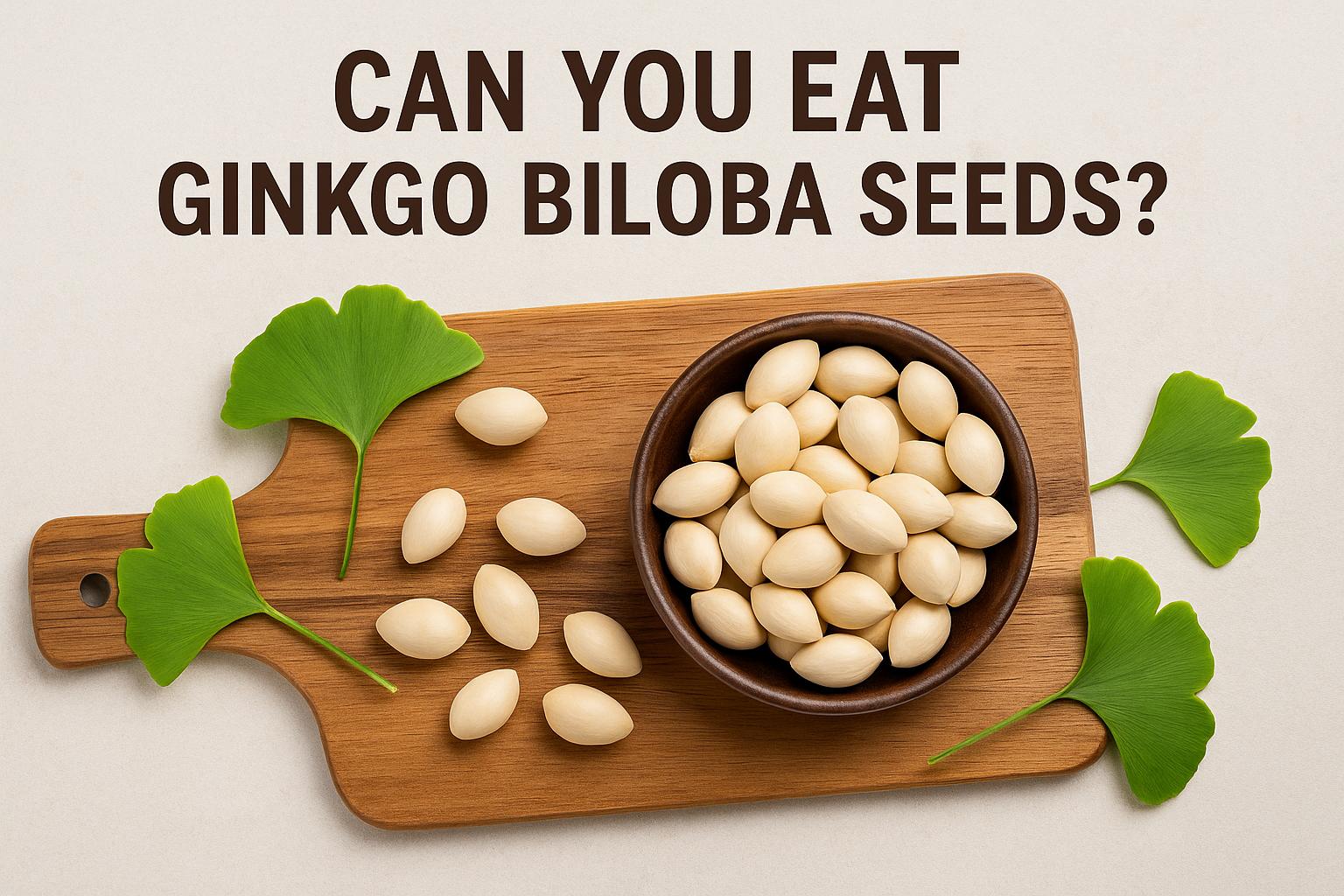
Introduction to Ginkgo Biloba Seeds
The seeds of the Ginkgo biloba tree, often referred to as ginkgo nuts, hold a significant place in the culinary traditions of various cultures, particularly in Asia. Renowned for their distinctive taste and nutritional benefits, these seeds are consumed as a delicacy in many regions. However, they require cautious handling due to certain health risks associated with their raw state. Understanding both the nutritional aspects and potential hazards of ginkgo seeds is essential for safe consumption.
Nutritional Value
Ginkgo biloba seeds provide a rich array of nutrients that can support overall health. The presence of essential vitamins, minerals, and antioxidants makes them an attractive choice for inclusion in a balanced diet.
Vitamin Content
Among the notable nutrients found in ginkgo seeds is vitamin C, an essential vitamin that plays a crucial role in supporting the immune system. Vitamin C is known for its ability to enhance the body’s defense mechanisms, making it more effective at fending off infections and illnesses. Additionally, this vitamin contributes to collagen formation, wound healing, and the maintenance of healthy skin.
As well as vitamin C, ginkgo seeds are also noted for their iron content, a mineral essential for the production of healthy red blood cells. Adequate iron levels help ensure efficient oxygen transportation throughout the body, contributing to improved energy levels and reduced fatigue.
Mineral Composition
Another valuable mineral present in ginkgo seeds is calcium. Calcium is vital for maintaining bone density and promoting skeletal health. By including calcium-rich foods like ginkgo seeds in one’s diet, individuals can support bone development and reduce the risk of osteoporosis, particularly in aging populations.
Antioxidant Properties
Ginkgo seeds are packed with antioxidants, primarily in the form of phenolic compounds. These compounds help mitigate oxidative stress by neutralizing free radicals within the body. Oxidative stress can lead to cell damage and has been associated with various chronic diseases, including cardiovascular disorders and certain types of cancer.
The antioxidant properties of ginkgo seeds suggest potential benefits in reducing inflammation and promoting overall well-being. This can have implications for heart health and the prevention of age-related degenerative changes.
Health Risks Associated with Ginkgo Seeds
Despite their potential benefits, ginkgo biloba seeds contain components that pose certain health risks if not handled and prepared correctly. It is crucial for consumers to be aware of these risks to ensure safe consumption.
Toxicity Concerns
One of the primary health risks stems from the presence of ginkgotoxin, a naturally occurring toxin in raw ginkgo seeds. Consuming seeds that haven’t been adequately prepared can lead to adverse reactions. The severity of symptoms depends on the quantity consumed, with higher amounts increasing the risk of toxicity.
Symptoms of Toxicity
Signs of ginkgotoxin exposure can vary. Common symptoms include gastrointestinal distress, nausea, and dizziness. In more severe cases, individuals may experience neurological symptoms such as seizures, difficulty breathing, and even loss of consciousness. Due to these potential effects, it is vital to approach the consumption of raw ginkgo seeds with caution.
Consumption Recommendations
To safely enjoy ginkgo seeds, proper preparation is essential. Moderation and careful cooking can significantly reduce the potential health risks associated with ginkgotoxin.
Preparation Methods
When preparing ginkgo seeds, the first step is to remove the hard outer shell. Once shelled, the seeds should be cooked thoroughly to deactivate toxic compounds. Common cooking methods include boiling or roasting, both of which can enhance the flavor of the seeds while diminishing the toxin levels.
Boiling the seeds involves immersing them in water and cooking them until they become tender, while roasting requires applying heat until they are crispy. For both methods, ensuring the seeds are fully cooked is imperative to reduce any risk of adverse effects.
Regulatory Guidelines
The regulatory landscape for ginkgo biloba seeds varies across countries, with different regions instituting specific guidelines for their sale and consumption.
Global Regulations
In some countries, regulations restrict the sale of raw ginkgo seeds due to safety concerns, while others require strict labeling to inform consumers about preparation requirements. It is crucial for individuals to familiarize themselves with local regulations to ensure compliance with legal and safety standards when purchasing and consuming ginkgo seeds.
Expert Recommendations
Despite the traditional use of ginkgo seeds in diverse culinary practices, health experts advocate for a cautious approach. Before integrating ginkgo seeds into one’s diet, it is prudent to consult with healthcare professionals, particularly for individuals with pre-existing health conditions or those who are pregnant or breastfeeding.
Further, special consideration should be given to vulnerable groups such as children, as their bodies may respond differently to potential toxins. A professional consultation ensures that the introduction of ginkgo seeds is both safe and beneficial.
Conclusion
Ginkgo biloba seeds offer nutritional benefits that, when consumed correctly, can contribute to a balanced diet. However, awareness of their inherent toxicity and proper preparation methods is fundamental to harnessing these benefits safely. By adhering to recommended cooking techniques and limiting consumption, individuals can enjoy the culinary and health offerings of ginkgo seeds while minimizing the associated risks. Ultimately, informed choices and professional guidance are key to incorporating ginkgo seeds into a healthy dietary regimen responsibly.