
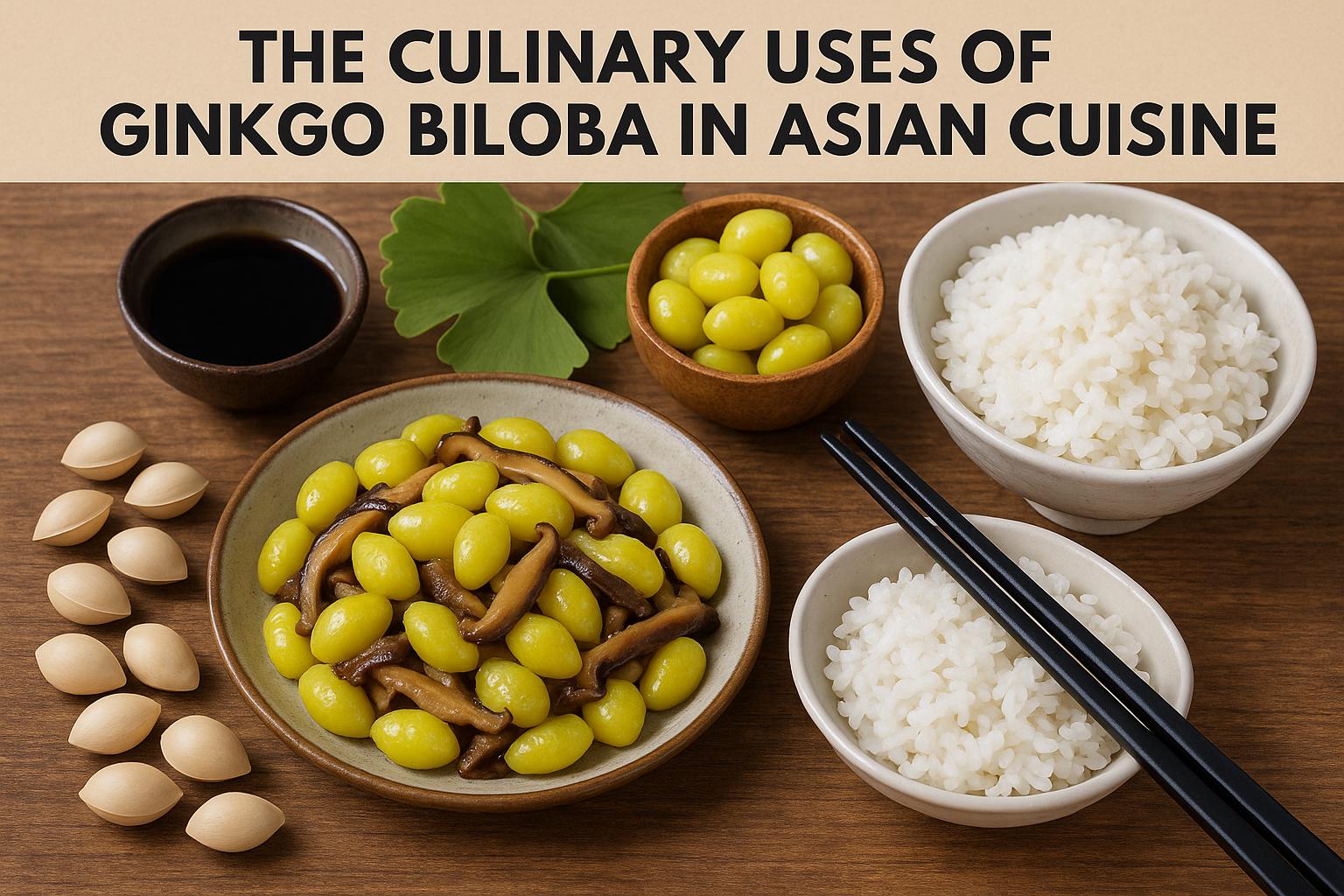
The Role of Ginkgo biloba in Asian Cuisine
Ginkgo biloba, known as one of the oldest living tree species, has a significant presence in both the medicinal and culinary worlds. Its seeds or “ginkgo nuts” have carved out their unique niche in Asian cuisines, particularly in China, Japan, and Korea. Despite its use primarily for medicinal purposes by traditional healers for centuries, these seeds also garner interest due to their distinct flavor profile and adaptability in cooking. They have been integrated into a plethora of traditional dishes, appreciated not only for their taste but also for their nutritional benefits.
Culinary Significance
The utilization of the ginkgo nut extends beyond its medicinal attributes to become a culinary staple in various regions. The texture and flavor profile of ginkgo nuts make them an intriguing ingredient, offering both a slight bitterness and a nutty undertone that enhances different recipes. In regions where ginkgo trees naturally flourish, their seeds are integral to many cultural culinary practices.
Chinese Cuisine
The inclusion of ginkgo nuts in Chinese cuisine can be traced back centuries. In Chinese cooking, these nuts are a celebrated addition to dishes such as congee, where their unique texture complements the creamy consistency of the rice porridge. Additionally, ginkgo nuts enhance the auspicious flavors associated with feasts and banquets, as seen in dishes like eight-treasures duck and Buddha’s delight. These dishes, frequently served during festivals and family gatherings, integrate ginkgo nuts not only for their taste but also for their symbolic warmth, making them particularly favored in colder seasons when warming foods are culturally embraced.
Japanese Cuisine
In Japanese cuisine, ginkgo nuts, referred to as ginnan, are savored for their simplicity and ability to amplify culinary experiences. The nuts often appear as grilled delicacies, skewered for snacks or appetizers, showcasing their versatility and natural flavor when accompanied by a pinch of salt. Moreover, they play a prominent role in chawanmushi, Japan’s beloved savory egg custard. When combined with this dish, the ginkgo nuts contribute to the multi-dimensional texture and create a savory complexity that elevates the custard’s traditional silky smoothness.
Korean Cuisine
Korean cuisine showcases ginkgo nuts in diverse culinary contexts as well. The seeds add nourishing elements to samgyetang, a Korean chicken and ginseng soup renowned for its restorative properties. Traditionally consumed during the hot summer months, this dish balances the internal heat with energy-promoting ingredients, including ginkgo nuts, that sustain vitality. Besides soups, ginkgo nuts appear in rice cakes and porridges, offering chewy textures alongside their subtle, yet distinguishable flavor.
Nutritional Benefits
The appeal of ginkgo nuts extends beyond their taste. Nutritionally, they serve as a source of essential vitamins and minerals. They contain notable antioxidants, which contribute to overall health benefits. However, while these seeds offer nutritional advantages, it is crucial to moderate their consumption. Raw ginkgo nuts harbor compounds that could be mildly toxic, particularly amongst children and individuals with sensitivities to these substances. Hence, understanding proper preparation and consumption techniques is vital to enjoying their benefits without adverse effects.
Caution and Preparation
Incorporating ginkgo nuts into dishes requires specific preparatory methods to ensure they are safe to consume. The seeds are encased in a hard shell and a thin seed coat that must be removed. Typically, boiling or roasting the nuts significantly mitigates their inherent bitterness and lowers their mild toxicity. These cooking methods can enhance their flavor, making them a delightful component of various dishes across Asian cuisines.
Cooking enthusiasts eager to explore ginkgo nuts in creative culinary expressions could benefit from numerous Asian culinary resources. Detailed recipes and expert tips from culinary blogs offer insights into innovative ways to incorporate these unique nuts into various dishes while preserving their essence. Understanding the ginkgo nut’s role and preparing it correctly can lead to enhanced culinary experiences that embrace the symmetry between flavor and nutrition.
In summary, ginkgo biloba trees stand as a testament to ancient flora, with their seeds providing profound culinary and cultural significance, particularly throughout Asia. Their incorporation into meals not only enhances flavor and texture but also honors traditional uses and culinary evolution. Through cautious preparation and mindful consumption, ginkgo nuts remain a celebrated ingredient that continues to enrich Asian culinary heritage.