
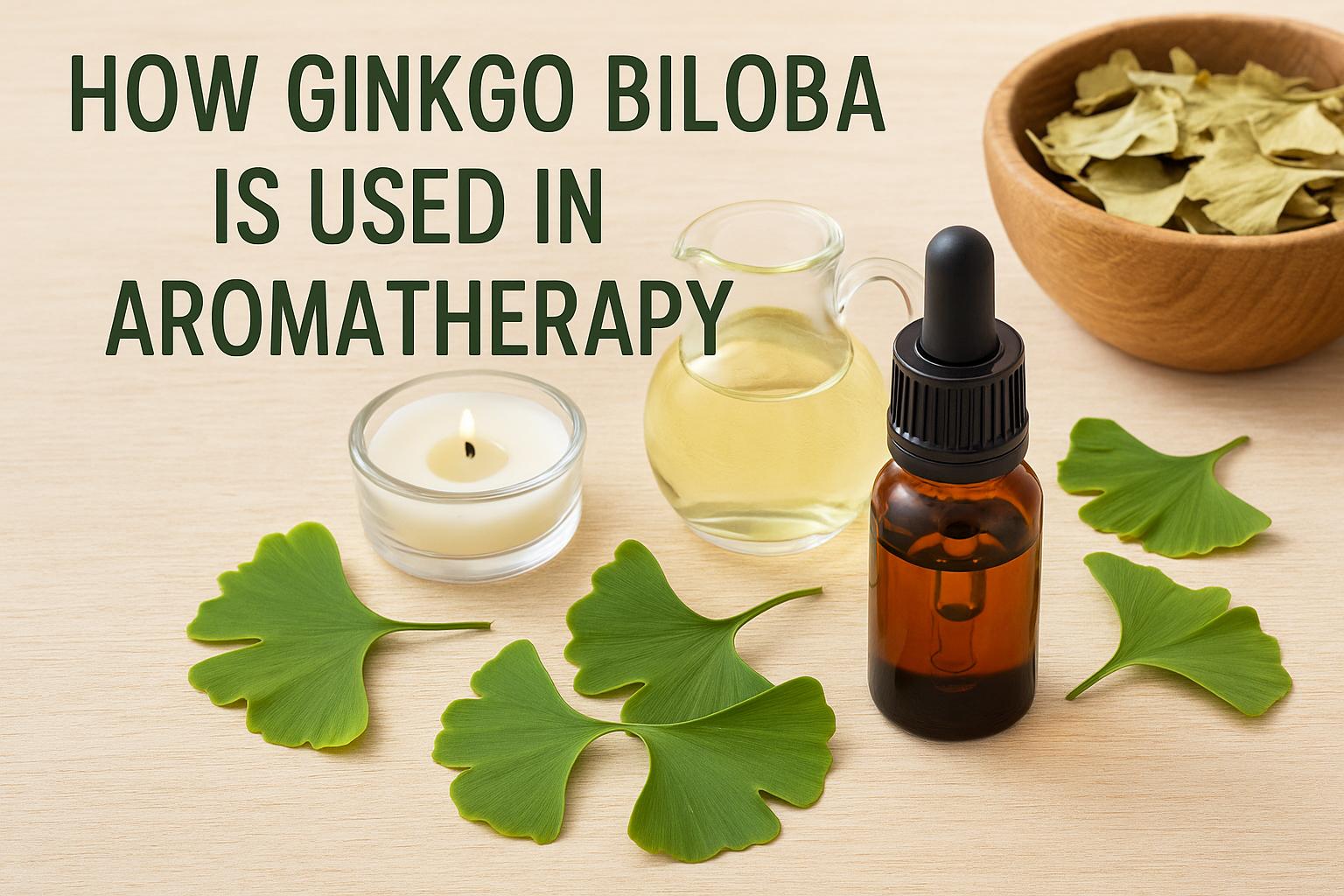
Introduction to Ginkgo Biloba in Aromatherapy
Ginkgo biloba, an ancient plant with a lineage tracing back over 270 million years, stands out in the realm of botanical wonders for its impressive range of health benefits. Traditionally revered in various forms of medicine, Ginkgo biloba has also garnered attention in the modern field of aromatherapy, albeit in an unconventional manner. Though its primary components do not yield what are typically known as ‘aromatic compounds,’ its health-promoting attributes render it a noteworthy addition to the practices associated with aromatherapy. This article delves into how Ginkgo biloba is utilized within the scope of aromatherapy and highlights its alleged benefits.
The Role of Ginkgo Biloba in Aromatherapy
Aromatherapy revolves around the holistic healing treatment paradigm that employs natural plant extracts aimed at enhancing health and overall well-being. Ginkgo biloba, while not utilized as an essential oil due to its non-aromatic nature, finds its niche in aromatherapy due to its reputed cognitive-enhancing effects and general wellness benefits. The absence of a naturally pleasant aroma does not deter its application; rather, its extracts and supplements frequently accompany aromatic treatments.
Aromatherapy practitioners often incorporate Ginkgo biloba in ways that leverage its purported health benefits. Whether through topical applications or as supplemental additions, the plant’s integration into aromatherapy underscores the expansive adaptability of holistic healing practices.
Cognitive Support
One of the most lauded advantages of integrating Ginkgo biloba in aromatherapy is its potential to support cognitive function. Existing research points towards the capabilities of compounds found in Ginkgo biloba to enhance mental clarity and bolster memory retention. This aspect makes it a favorable component in practices intended to sharpen concentration and heighten attention. In pursuit of optimizing mental stimulation, many practitioners incorporate Ginkgo biloba supplements in aromatherapy sessions directed at mental focus and alertness. Typically, it is paired with aromatic herbs well-regarded for their invigorating qualities. The incorporation of such botanicals lends an added layer of efficacy, aiming to amplify the cognitive-enhancing effects of Ginkgo biloba.
Mood and Stress Management
Another noteworthy application of Ginkgo biloba in the sphere of aromatherapy is its noted contributions toward mood regulation and stress management. While it does not serve as a direct olfactory enhancer, when used in conjunction with supplements or as part of topical applications alongside essential oils, it has the potential to aid in balancing mood and alleviating stress. Aromatherapists frequently advise the use of Ginkgo biloba alongside calming scents such as lavender or chamomile to augment relaxation-focused sessions. The synergy between these elements aims to foster an environment conducive to tranquility and stress relief.
In today’s fast-paced world, stress management represents a crucial aspect of personal health. By integrating Ginkgo biloba within aromatherapy practices, users may find a holistic avenue to tackle stress-related concerns, paving the way toward more serene and balanced living.
Improving Circulation
A valuable application of Ginkgo biloba in aromatherapy lies in its capability to potentially enhance circulation. Often employed within the realm of topical treatments involving massage oils, Ginkgo biloba is believed to encourage improved blood flow when administered to the skin. To amplify these benefits, Ginkgo biloba infused oils are commonly combined with warming essential oils such as ginger or black pepper. This combination seeks to further stimulate circulation, ushering in increased vitality and energy.
The act of improving circulation is not only fundamental to physical wellness but is also intricately linked to an individual’s energy levels and overall sense of well-being. Through targeted topical treatments that incorporate Ginkgo biloba, practitioners attempt to harness its properties to promote holistic physical health.
Conclusion
The incorporation of Ginkgo biloba into the realm of aromatherapy transcends direct scent manipulation, largely focusing on its supplementary and topical uses. The plant’s prospective benefits for cognitive function, mood enhancement, and improved circulation render it an advantageous element within holistic treatment strategies. While unconventional in its aromatic application, the health-promoting attributes of Ginkgo biloba bear significant potential for augmenting wellness in tandem with traditional aromatic practices. For those looking to explore more about Ginkgo biloba in complementary therapies, it is advisable to consult specialized resources within the fields of herbal medicine and aromatherapy to further expand one’s understanding and application frameworks.
In summary, Ginkgo biloba presents a unique integration point within aromatherapy, inviting users to explore its varied applications aimed at supporting an array of health facets. Even in the absence of traditional aromatic contributions, its versatility and reputed health benefits firmly establish it as a noteworthy botanical within holistic wellness paradigms. As more individuals seek alternative and complementary health approaches, the enduring legacy of Ginkgo biloba within various therapeutic contexts continues to unfold, holding promise for those in pursuit of enhanced mental and physical health.