
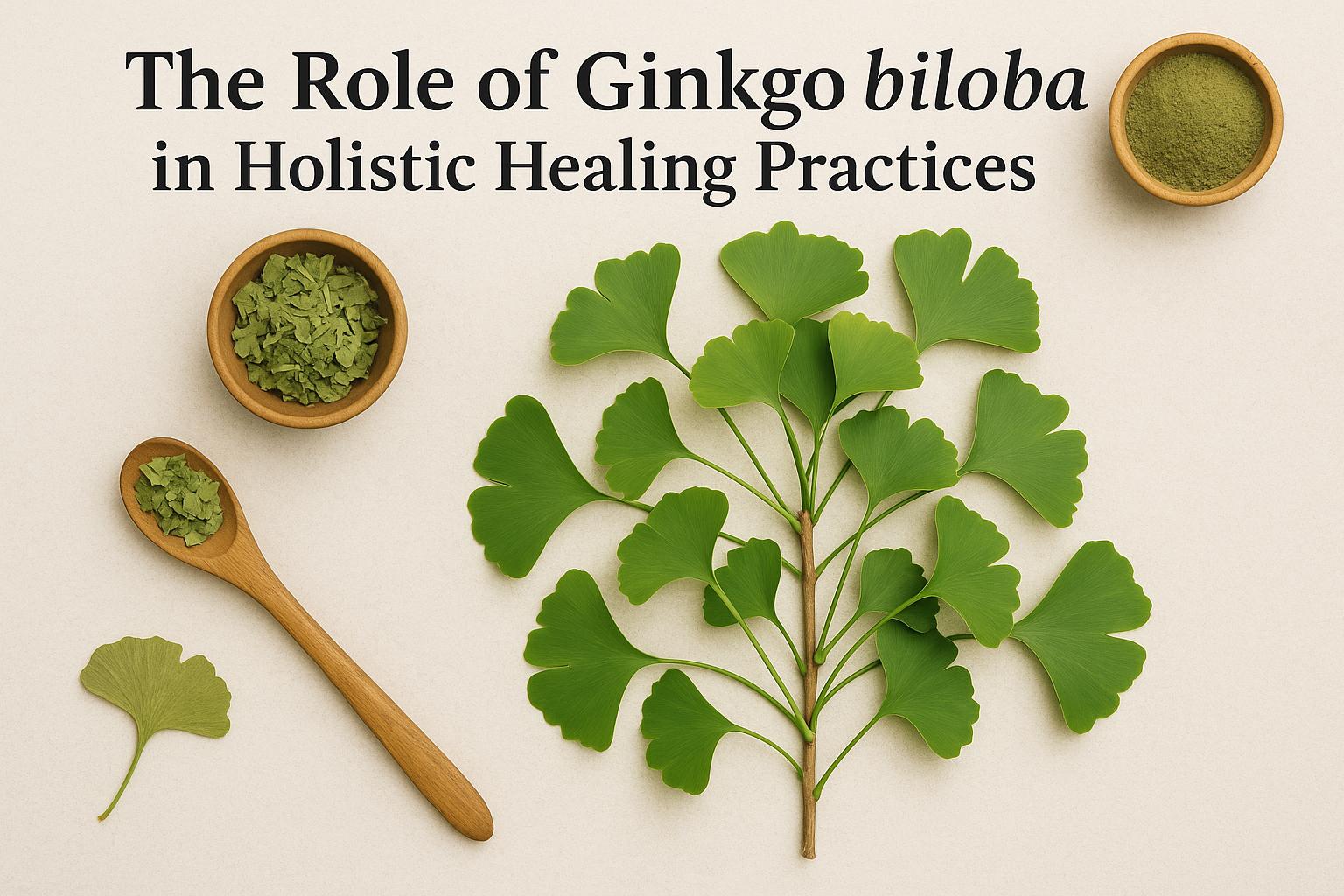
The Historical Context of Ginkgo biloba
Ginkgo biloba, often referred to as the living fossil, holds a notable place in the sphere of traditional medicine, with its historical roots trailing back thousands of years. Predominantly cultivated in China, the tree and its extracts have been intertwined with ancient holistic healing practices. The unique characteristics of Ginkgo biloba have fascinated researchers and herbalists alike, contributing to its esteemed reputation as a remedy in traditional medicine. This particular plant was historically utilized to enhance cognitive function and address a variety of health concerns. Among these, its uses in treating respiratory ailments such as asthma and bronchitis were especially noted.
Active Components and Their Effects
A considerable part of Ginkgo biloba’s therapeutic properties is attributed to its significant content of certain active compounds, namely flavonoids and terpenoids. These compounds are known for their antioxidant properties, which are crucial in protecting the body from oxidative cell damage caused by harmful free radicals. Various studies have concentrated on evaluating these components, seeking to understand their efficacy in the enhancement of cognitive function and contribution to general well-being.
Within the realm of antioxidants, flavonoids and terpenoids standout due to their capability to mitigate oxidative stress, a factor implicated in numerous degenerative conditions. Their antioxidative prowess not only spurs interest in cognitive health applications but also catalyzes explorations into broader health impacts. This exploration unveils potential interventions against cellular aging and various inflammatory conditions, thus painting a multifaceted picture of Ginkgo biloba’s health benefits.
Ginkgo biloba in Cognitive Health
The investigation into Ginkgo biloba’s potential impact on cognitive health forms a significant part of contemporary research endeavors. There’s a growing body of literature suggesting its possible role in enhancing memory and executive functions, particularly among the elderly. It is often considered as an adjunct treatment for neurodegenerative conditions like Alzheimer’s disease and various forms of dementia. Despite a multitude of studies pointing toward possible benefits, the findings remain somewhat varied, necessitating further rigorous research to establish more conclusive evidence.
Ginkgo biloba’s interaction with neural pathways and its potential to safeguard neurological health garners notable attention. Its proposed role in enhancing synaptic function and neuroprotection offers a new dimension to exploring treatments for age-associated cognitive decline. However, the spectrum of evidence ranges widely, leading to ongoing debates concerning its application and outcomes within clinical settings.
Role in Circulatory Health
Apart from cognitive health, Ginkgo biloba has carved out a place for itself in the domain of circulatory health. Its potential to foster improved blood circulation through the dilation of blood vessels and reduction in platelet aggregation is particularly noteworthy. This capability is beneficial in managing circulatory conditions such as peripheral artery disease. By facilitating better blood circulation, it enhances oxygen delivery to various organs and tissues, thereby contributing positively to overall health.
This improvement in circulatory function points toward broader implications, particularly in contexts dealing with vascular integrity and cardiovascular health. The potential benefits observed in improved circulation spur interest in exploring its impact on conditions like hypertension and stroke prevention. However, just as with its cognitive implications, the results compel further exploration to decisively unravel its comprehensive role in promoting circulatory health.
Incorporation in Holistic Therapies
The use of Ginkgo biloba extends beyond isolated therapeutic interventions, finding its presence prominently in holistic healing practices. Its integration aligns well with traditional uses, presenting it as a natural supplement within the broader holistic medicine spectrum. Practitioners often recommend its use, citing a presumed ability to harmonize bodily systems. As part of this integrative approach, Ginkgo biloba is frequently combined with other herbs and practices, presenting a comprehensive strategy to health that prioritizes treating the individual as a whole, beyond mere symptom-management.
Within these holistic frameworks, the adaptability of Ginkgo biloba underscores its role in promoting an individualized, person-centered approach to health. Its presence in various herbal formulations points towards efforts to leverage nature-derived compounds for achieving systemic balance—a cornerstone objective in holistic therapy. While its tangible benefits within these domains remain under active investigation, its longstanding historical and cultural importance continues to position it as a staple in natural health solutions.
Ultimately, those interested in Ginkgo biloba’s potential benefits and its role within holistic health practices are encouraged to delve into scientific resources and trusted health websites for evidence-based insights. Given the variability in therapeutic efficacy across individuals, consulting healthcare professionals before incorporating Ginkgo biloba or any supplement into a health regimen is advised, particularly for individuals with underlying health conditions or those on concurrent medications. As the contemporary interest in natural health solutions continues to rise, the place of Ginkgo biloba in this evolution underscores the enduring appeal and intrigue of ancient medicinal plants within modern health contexts.