
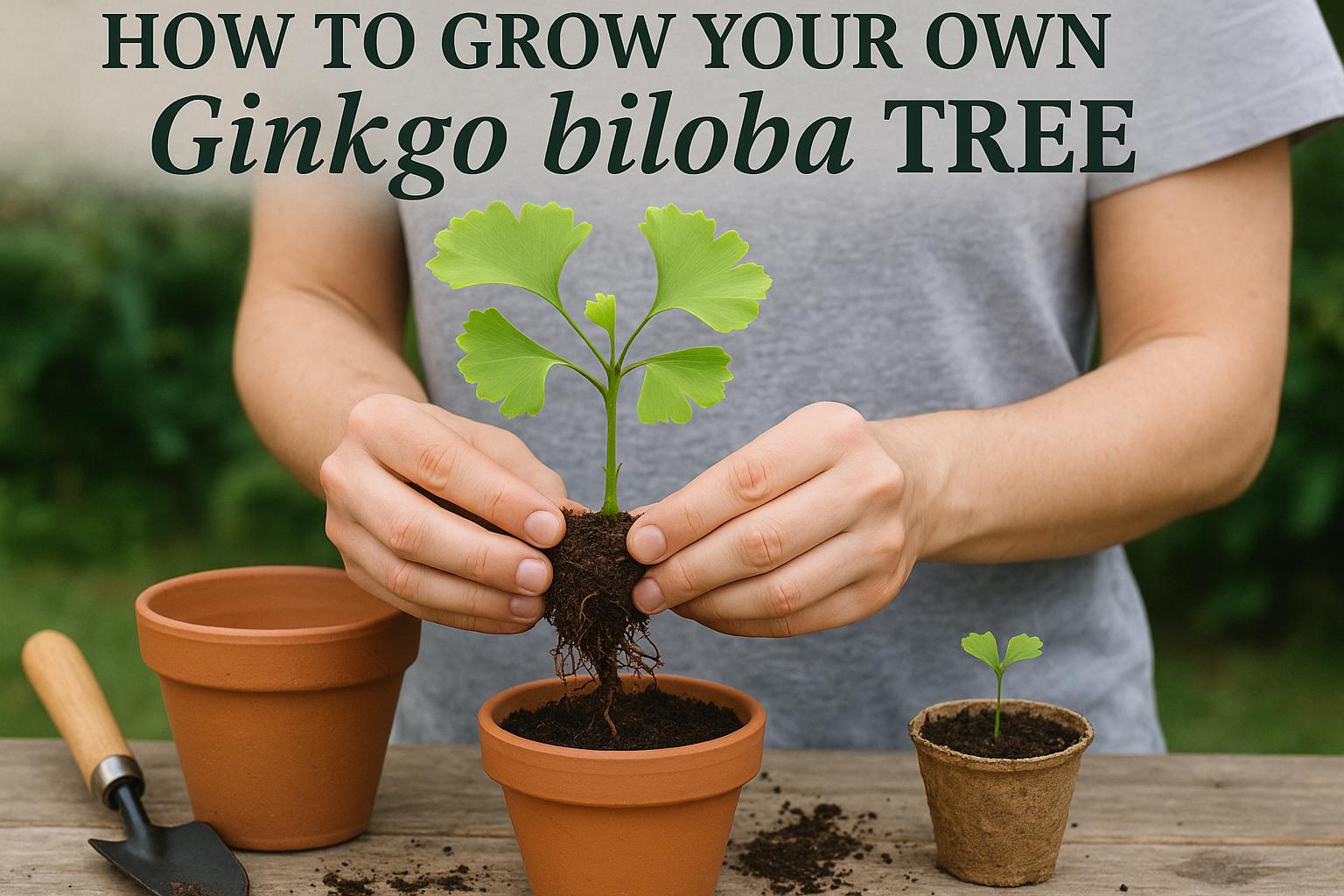
Introduction to Ginkgo biloba
The Ginkgo biloba, often referred to as the maidenhair tree, is a unique species known for its remarkable resilience and aesthetic appeal, characterized by its stunning fan-shaped leaves. This ancient species is native to China and holds the distinction of being one of the oldest surviving tree species. Having a lineage that dates back over 200 million years, it represents a living link to the planet’s prehistoric past. Growing your own Ginkgo biloba tree can be a rewarding endeavor, providing not only aesthetic value to your garden but also various environmental benefits.
Choosing the Right Location
For successful cultivation, it is crucial to select a suitable location where the Ginkgo tree can thrive. These trees prosper best in areas that receive full sun exposure and have well-drained soil. They display remarkable adaptability, tolerating urban settings and a variety of soil types, including sandy and clayey compositions. When selecting a site, it’s essential to ensure that there is ample space to accommodate the tree’s mature size, which can reach heights of up to 80 feet with a spread of approximately 30 to 40 feet.
Preparing the Soil
A cornerstone of successful growth for the Ginkgo biloba is ensuring that the soil is well-drained. For those dealing with heavy clay soils, amending the soil with organic matter, such as compost, can significantly improve drainage capabilities. Conversely, sandy soils can benefit from the addition of organic materials to help retain moisture, thus creating a more balanced environment conducive to the tree’s growth.
Planting the Tree
Ginkgo biloba trees can be cultivated from seeds or obtained as young saplings from nurseries. For those planting a young tree, it’s important to begin by digging a hole that is twice as wide and as deep as the root ball of the plant. Carefully place the tree in the hole, ensuring it is positioned at the same depth as it was in the nursery container. Once in place, backfill the hole with soil and water thoroughly. This initial watering is essential to eliminate any air pockets and ensure the root system makes a solid connection with the surrounding soil.
Watering and Maintenance
While ginkgo trees are known for their drought tolerance once fully established, new trees require consistent watering during their initial years. It is important to water the trees deeply, ensuring moisture penetrates the root zone adequately. Applying mulch around the base of the tree can further assist in retaining soil moisture, promoting healthy growth, and suppressing the emergence of weeds.
In terms of maintenance, the Ginkgo biloba requires minimal intervention. Pruning is not generally necessary but may be performed to remove any dead or damaged branches. This is ideally carried out in late winter or early spring before the onset of new growth, helping to maintain a healthy and balanced structure.
Protecting Your Ginkgo biloba
Though Ginkgo trees are exceptionally resistant to pests and diseases, young trees may be susceptible to damage by animals such as deer. Implementing a simple protective barrier or utilizing non-toxic repellents can be effective in deterring wildlife and protecting your young trees.
Given the variability in climate conditions, it may be beneficial to consult resources specific to your region for more tailored advice on cultivating Ginkgo biloba. For detailed guidelines on tree care and maintenance, you can explore resources such as the National Arboretum website for region-specific insights.
Environmental Implications
The environmental benefits of growing a Ginkgo biloba tree extend beyond its immediate aesthetic contributions. Due to its adaptability and hardiness, it provides an excellent source of shade, which can reduce energy consumption and cooling costs in urban areas. Furthermore, like other trees, Ginkgo bilobas contribute to carbon sequestration, playing a role in mitigating climate change effects by absorbing carbon dioxide from the atmosphere.
Historical and Cultural Significance
The Ginkgo biloba tree bears considerable historical and cultural significance. Being one of the oldest living species, it is often regarded as a symbol of endurance and resilience against the test of time. This ancient tree has been used in traditional medicine, particularly in Chinese culture, where its leaves are believed to have health benefits. The tree’s endurance was further demonstrated when several Ginkgo trees survived the atomic bomb blast in Hiroshima, Japan, continuing to grow despite the devastation.
Using Ginkgo biloba in Landscape Design
Incorporating a Ginkgo biloba tree into your landscape design can be a striking addition due to its unique leaf shape and vibrant yellow foliage in autumn. These trees are not only decorative but also serve a functional role within the landscape, offering shade and acting as windbreaks. The aesthetic appeal of Ginkgo trees makes them popular choices for urban green spaces and public gardens around the world.
Conclusion
Growing your own Ginkgo biloba tree is a straightforward process that offers numerous long-term benefits. With mindful site selection, thorough soil preparation, diligent watering, and minimal maintenance, these trees can thrive in diverse environments, gracing your landscape for generations to come. As living fossils, ginkgo trees provide a unique blend of historical significance and natural beauty, linking us to the earth’s distant past while offering tangible benefits for the future.