
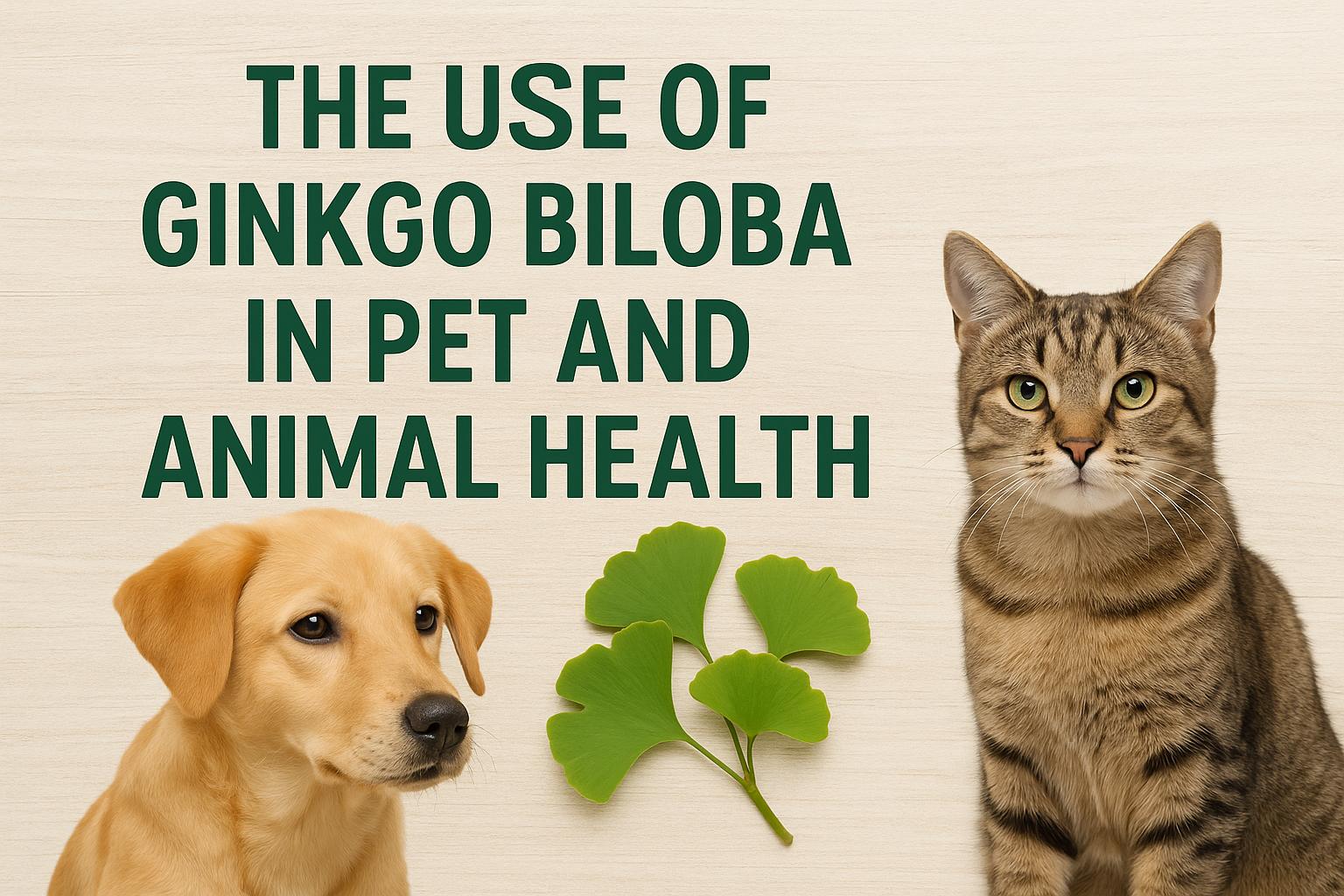
Understanding Ginkgo biloba
Ginkgo biloba, often referred to as simply ginkgo, is a unique tree species that holds the distinction of being one of the oldest surviving tree species on Earth. Originating from China, ginkgo has captured the interest of both historians and scientists due to its longevity and its longstanding utilization in various medicinal systems across the world. The distinctive fan-shaped leaves and the strong resistance to environmental pressures, such as pollution and diseases, have made ginkgo a subject of fascination not only for botanists but also for those in the field of traditional medicine.
In ancient Chinese medicine, ginkgo leaves and seeds were utilized to address a myriad of conditions, ranging from memory loss to respiratory ailments. The focus on cognitive enhancement and circulatory improvement continues to this day, and modern science aims to substantiate or refute these traditional claims. Recent developments have expanded the potential applications of ginkgo to animal health, which is an emerging area of research with promising implications.
Potential Benefits for Pets and Animals
The veterinary application of Ginkgo biloba is a relatively new area of interest. Though rigorous scientific studies are still underway, preliminary investigations and anecdotal reports suggest several possible benefits, spurring interest among veterinarians and pet owners alike.
Improved Cognitive Function: As ginkgo is believed to support cognitive functions in humans, similar benefits are being explored for pets, particularly in aging animals. Studies have proposed that ginkgo supplements could aid older pets facing cognitive decline, potentially prolonging their quality of life.
Circulatory Health: Another promising area of ginkgo research is its potential to enhance circulatory health. Improved blood flow can benefit animals enduring conditions linked to poor circulation. Ginkgo’s vasodilating properties may prove beneficial in improving the overall vitality and health of older or impaired pets, potentially improving their mobility and energy levels.
Anti-inflammatory Effects: The anti-inflammatory properties of ginkgo have been noted in several studies. For animals, ginkgo’s ability to reduce inflammation could be particularly advantageous in managing conditions such as arthritis or other inflammatory diseases, helping improve comfort and mobility.
Considerations Before Use
Despite the promising potential of Ginkgo biloba, its use in animals should be approached with caution. Consulting a veterinarian is imperative before introducing this supplement to an animal’s diet. Factors such as the specific species, the size of the animal, its age, existing health conditions, and any current medications must be carefully evaluated. This ensures that ginkgo’s introduction does not adversely interact with other treatments or worsen existing health issues.
Possible Side Effects
Though ginkgo offers potential benefits, side effects are possible in some animals. Commonly reported issues include gastrointestinal disturbances such as upset stomach or diarrhea and allergic reactions like skin irritations. Close observation of the pet after introducing ginkgo into its regimen is crucial to promptly identify and address any adverse reactions.
Recommended Dosage
Determining the appropriate dosage of ginkgo for animals is challenging, as standard dosages have not been established. The variability in animals’ sizes and physiological needs means that dosages must be carefully calculated, often requiring a veterinarian’s expertise. It is critical to avoid applying human dosages to pets, as this could lead to detrimental complications and adverse health outcomes.
Research and Future Directions
Continued research into ginkgo’s effects on animal health is essential for consolidating its place in veterinary medicine. Scholars and practitioners are engaged in ongoing efforts to create more precise guidelines and gain a more profound understanding of ginkgo’s roles in addressing pet health issues. As these trials progress, they aim to clarify the therapeutic scope of ginkgo, ensuring its use is grounded in robust evidence-based practices.
In an evolving landscape where integrative and alternative veterinary medicine gains traction, clinical trials provide a platform for rigorous evaluation of ginkgo’s potential. These studies aim to ascertain its efficacy and safety across various species, enhancing our knowledge and potentially leading to broader acceptance of ginkgo within traditional veterinary contexts.
In conclusion, Ginkgo biloba offers promising potential as a supplement for supporting the health and well-being of pets and animals. However, due diligence is crucial—it should be approached thoughtfully, with professional veterinary guidance to ensure each animal receives safe and effective care. Balancing traditional wisdom with modern scientific inquiry will be key in realizing ginkgo’s full potential within the realm of veterinary medicine.