
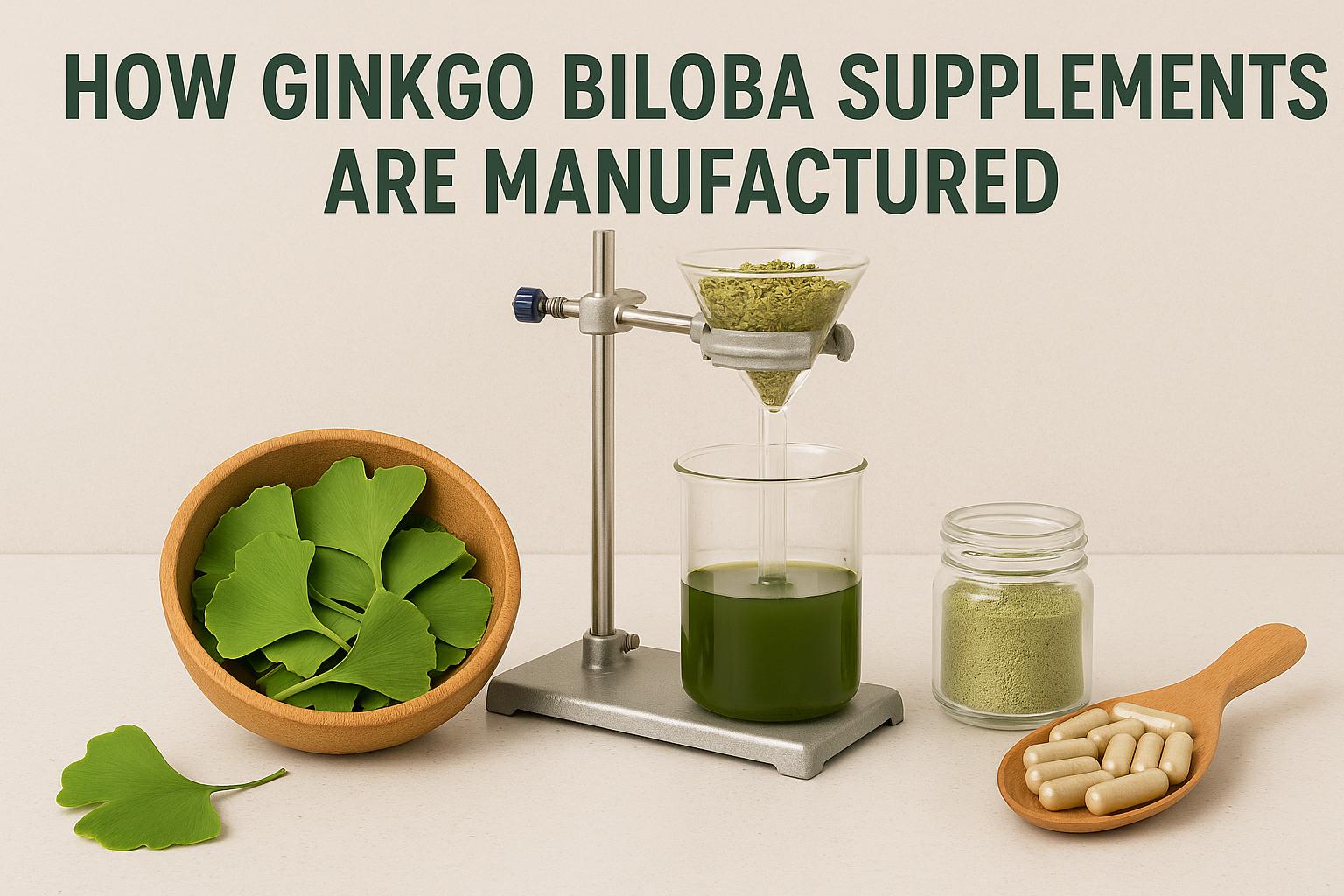
Introduction to Ginkgo Biloba Supplements
Ginkgo biloba, often recognized as one of the oldest living tree species, continues to attract attention due to its extensive application in both traditional and modern medicine. Throughout history, this plant has been cherished for its potential health benefits. Today, the primary claims associated with ginkgo biloba supplements involve enhancements in cognitive function, improved circulation, and antioxidant properties. However, bringing these supplements to market involves a detailed and meticulous process aimed at preserving and extracting the beneficial active ingredients.
The Significance of Harvest Timing in Ginkgo Biloba
The manufacturing journey of ginkgo biloba supplements starts with the careful selection and harvesting of its leaves. Unlike many other medicinal plants, the timing of ginkgo biloba harvest is critical. It’s usually conducted in late summer when the leaves are at their peak in terms of active compounds. During this period, flavonoids and terpenoids, the primary agents linked to ginkgo’s therapeutic benefits, are abundant. This strategic timing ensures that the raw material used in supplement production offers the maximum potential benefits.
Preserving Quality Through Drying and Storage
Once harvested, the ginkgo biloba leaves must undergo a drying process. Drying is a fundamental step to prevent mold growth and the degradation of essential compounds. Typically, this process is conducted in well-ventilated environments or specially designed drying rooms. These controlled conditions help retain the integrity of the leaves. Proper storage follows drying, with the leaves kept in environments that safeguard against factors that may compromise their quality over time.
Extraction: Unlocking Active Compounds
The journey continues with the extraction of desired compounds from the dried leaves. This phase is critical as it centers on obtaining ginkgo flavone glycosides and terpene lactones, the primary active substances that define ginkgo’s medicinal profile. Manufacturers often employ solvents such as water or alcohol to facilitate the extraction. This stage must be precisely managed to optimize the yield and quality of the extract.
The Refining Process: Enhancing Potency
After extraction, the process moves to refining the raw extract. This step involves concentrating the active ingredients while filtering out any extraneous or unwanted substances. The goal is to achieve an extract composition that typically contains about 24% flavone glycosides and 6% terpene lactones. This standardized content is commonly seen across most commercially available ginkgo biloba supplements, ensuring consistency in potency and efficacy.
Formulation: Crafting the Final Product
With the refined extract in hand, manufacturers turn their attention to formulation. Ginkgo biloba extracts are integrated into diverse supplement forms, including tablets, capsules, and liquid extracts. In formulating these products, additional compounds such as binding agents, fillers, or complementary herbs might be included to bolster the final product’s stability or effectiveness. This step underscores the importance of not only producing an efficacious product but also ensuring its utility and appeal to consumers.
Ensuring Safety Through Testing and Compliance
A pivotal aspect of supplement manufacturing is maintaining product integrity and safety through extensive testing. Ginkgo biloba supplements undergo several tests to detect potential contaminants, including heavy metals and microbial agents. Furthermore, laboratory analysis confirms that the products meet established regulatory standards and uphold labeling accuracy. Such rigorous testing ensures that consumers receive safe, reliable, and ethically produced supplements.
From Manufacturing Floor to Consumer Hands: Packaging and Distribution
The final steps in the manufacturing of ginkgo biloba supplements involve packaging and distribution. Products are meticulously packaged to preserve their quality and efficacy. Protection from light, temperature fluctuations, and humidity is crucial, as these factors can degrade the active compounds within the supplements. Once securely packaged, they are distributed to various retail outlets, reaching the consumers eager to incorporate the benefits of ginkgo biloba into their wellness routines.
Conclusion
In summation, the journey of manufacturing ginkgo biloba supplements is marked by a series of well-defined and crucial steps. Each stage—from the initial leaf harvest to the final distribution—contributes to the preservation of the plant’s valuable health-promoting properties. Through careful processing, rigorous quality control, and an understanding of ginkgo’s biological profile, manufacturers aim to deliver a supplement that is both effective and safe for the consumer. Those interested in ginkgo biloba are encouraged to delve deeper into the research behind this storied plant, seek additional educational resources, or consult healthcare professionals to understand its potential benefits better.